Dental Checkup in Dubai — Your Complete Guide to Teeth Check Ups
A routine dental checkup is the foundation of preventive oral health care. This guide covers everything you need to know about dental examinations in Dubai — what the dentist checks for, which X-rays are included, how much it costs, how often to go, and what your insurance covers. Whether you are booking your first teeth check up in the UAE or looking for a new DHA-licensed dentist, this guide has you covered.
What Is a Dental Checkup and Why It Matters
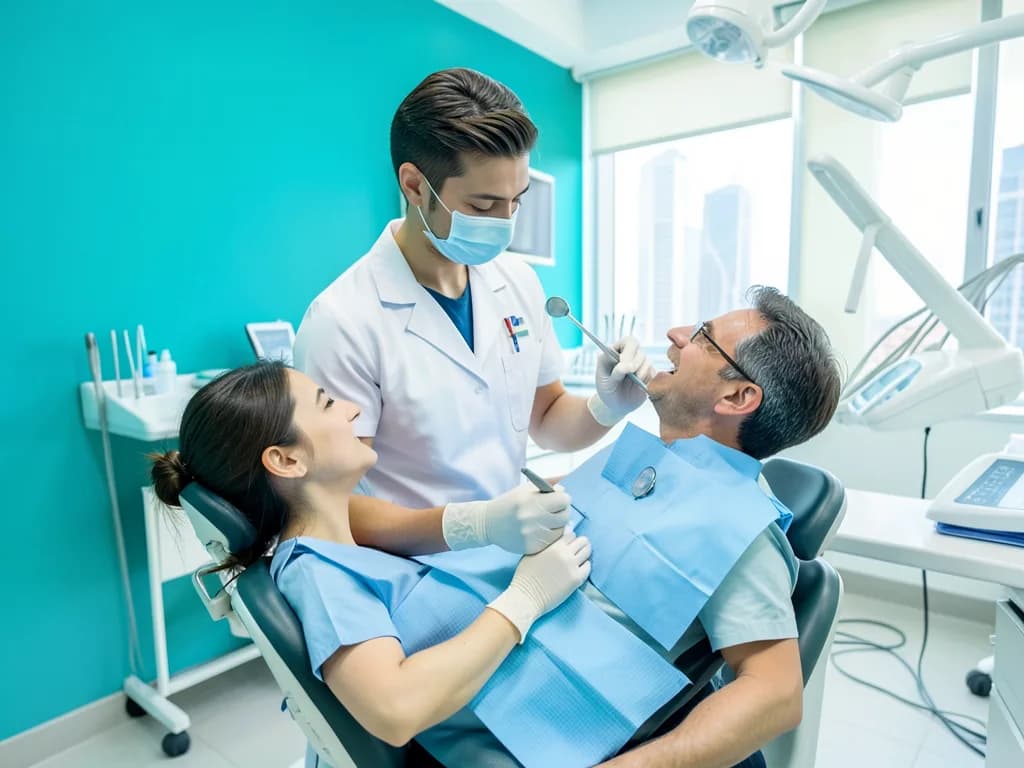
A dental checkup is a comprehensive clinical examination of your teeth, gums, jaw joints, and oral soft tissues performed by a DHA-licensed dentist. Unlike a dental cleaning (which removes tartar and stains), a checkup is primarily diagnostic — its purpose is to detect problems early, when they are smaller, less painful, and far less expensive to treat. A small cavity detected at a checkup can be filled for AED 200 to AED 400. Left undetected, that same cavity may progress to the nerve, requiring a root canal (AED 1,500 to AED 3,000) and a crown (AED 1,500 to AED 4,000).
The Dubai Health Authority mandates that all dental practitioners performing examinations hold a valid DHA licence. When you visit a DHA-licensed dentist in Dubai, you can be confident that the practitioner has met the authority's professional standards. Our clinic directory shows only verified, licensed practices.
Many patients combine a dental checkup with a professional teeth cleaning in a single appointment for convenience. However, the exam and the clean serve different purposes and should be understood as separate procedures. If significant gum disease is found during the checkup, your dentist may defer the standard clean and instead recommend deep cleaning under local anaesthesia at a subsequent visit.
Prevention vs Treatment in Numbers
AED 150 to AED 500 for a routine dental examination in Dubai. Covered by most insurance plans.
AED 200 to AED 400 to treat a cavity caught early at a checkup. Quick, painless, single visit.
AED 3,000 to AED 7,000 when a cavity is missed and reaches the nerve. Multiple visits, more discomfort.
The 10 Point Dental Checkup Checklist
A thorough dental check up is far more than glancing at your teeth. Here is everything your dentist should examine at each visit.
Teeth Surfaces
Every surface of every tooth is visually inspected for signs of decay (caries), cracks, fractures, erosion and wear. The dentist uses a dental mirror and explorer probe to check pits and fissures on the biting surfaces and the spaces between teeth where cavities are most common. Early demineralisation (white spot lesions) is noted before it progresses into a cavity.
Gum Health and Periodontal Probing
A periodontal probe is gently inserted between each tooth and the surrounding gum tissue. Normal pocket depths are 1 to 3 mm. Pockets of 4 mm or deeper indicate gingivitis or periodontitis. Bleeding on probing is recorded as evidence of active gum inflammation. This probing takes about five minutes for a full mouth and is the only reliable way to detect early gum disease.
Existing Restorations
Fillings, crowns, bridges, veneers and implants are all examined for fit, margins, fractures, and secondary decay underneath old restorations. A restoration with open margins allows bacteria to enter and cause decay beneath it, so early detection prevents much larger problems. Old amalgam fillings with cracks or leaking margins may be flagged for replacement.
Bite and Jaw Alignment
The dentist checks your occlusion (the way upper and lower teeth meet) for signs of malocclusion, premature contacts, or grinding patterns. Patients who clench or grind their teeth (bruxism) show characteristic flat wear facets on the biting surfaces. A nightguard may be recommended if bruxism is detected.
Oral Cancer Screening
The tongue, floor of the mouth, cheeks, palate, lips and throat are systematically checked for unusual patches (white, red or mixed), ulcers that have not healed within two weeks, lumps, or asymmetry. The lymph nodes under the jaw and in the neck are palpated. Oral cancer caught early has a five-year survival rate above 80 percent; caught late, it drops below 30 percent.
TMJ (Jaw Joint) Assessment
The temporomandibular joints are assessed by palpation while you open and close your mouth. The dentist listens and feels for clicking, popping, crepitus (grinding), or restricted movement. TMJ dysfunction is common in Dubai, often linked to stress-related clenching. Pain on opening, deviation of the jaw, or limited opening distance is recorded.
Radiograph and X Ray Review
Radiographs reveal problems invisible to the naked eye. Bitewing X-rays detect interproximal (between-teeth) cavities and bone levels. A panoramic (OPG) X-ray shows impacted wisdom teeth, jawbone health, sinus proximity and any cysts or pathology. Periapical X-rays assess individual tooth roots and surrounding bone for infections or abscesses.
Soft Tissue and Tongue Check
Beyond the oral cancer screening, the dentist evaluates the overall health of your oral soft tissues. Signs of vitamin deficiency, fungal infections (thrush), viral lesions (herpes simplex), geographic tongue, and allergic reactions are all detectable during an oral examination. Dry mouth (xerostomia) is also assessed, as it significantly increases decay risk.
Saliva and Dry Mouth Assessment
Saliva quality and flow rate affect oral health significantly. The dentist checks for pooling of saliva under the tongue and overall moisture levels. Patients taking certain medications (antihistamines, antidepressants, blood pressure drugs) often suffer from reduced saliva flow, which accelerates decay. Recommendations for saliva substitutes or fluoride rinses may be given.
Treatment Plan and Recall Schedule
After the examination, the dentist discusses findings, prioritises any treatment needed, and provides a written treatment plan with estimated costs in AED. A recall interval is set based on your risk profile. Low-risk patients return in 12 months; moderate-risk every 6 months; high-risk (active decay or gum disease) every 3 to 4 months.
What Happens During a Dental Checkup Step by Step
Here is the typical sequence of a dental checkup appointment at a Dubai clinic, from arrival to departure. Knowing what to expect helps reduce anxiety and ensures you get the most from your visit.
Registration and Medical History Review
At your first visit, you complete a medical history form covering medications, allergies, chronic conditions (diabetes, heart disease), and any dental anxiety. At recall visits, this is updated. The dentist reviews your history before the examination because medical conditions directly affect dental treatment planning. For instance, blood thinners affect extraction planning and bisphosphonates affect implant eligibility.
Digital X Rays
Bitewing X-rays are taken to detect interproximal cavities and measure bone support around teeth. For new patients or when a comprehensive assessment is needed, a panoramic (OPG) X-ray captures the full jaw, wisdom teeth, and sinuses in a single image. Digital X-rays emit up to 80% less radiation than traditional film and images are available instantly on the screen for you to see alongside the dentist.
Clinical Examination
The dentist systematically examines every tooth, filling, crown, and soft tissue area. A dental mirror provides visibility, and a probe checks for soft spots indicating early decay. Each tooth surface is charted on a digital dental record. This is the core of the checkup and typically takes 10 to 15 minutes for an experienced dentist working through the full mouth methodically.
Periodontal Assessment
A calibrated periodontal probe measures the depth of the sulcus (gum pocket) around each tooth. Results are called out to a dental nurse who charts them. Pockets of 1 to 3 mm with no bleeding are healthy. Four millimetres or more with bleeding indicates active disease. This charting forms the baseline against which future gum health is measured, allowing your dentist to track whether pockets are stable, improving, or worsening over time.
Oral Cancer Screening
A visual and manual screening of the lips, cheeks, tongue, floor of mouth, hard palate, soft palate, and oropharynx. The dentist looks for white or red patches (leukoplakia, erythroplakia), non-healing ulcers, lumps, or any textural abnormalities. Lymph nodes in the neck and under the jaw are palpated. The entire screening takes two to three minutes but can be life-saving when abnormalities are detected early.
Findings Discussion and Treatment Plan
After the exam, the dentist explains findings clearly, often using intraoral photographs or X-ray images on a screen. If treatment is needed, a written plan lists procedures in order of priority with estimated AED costs. Urgent issues (active infection, cracked tooth at risk of fracture) are flagged for immediate attention. Elective treatments (whitening, veneers) are discussed separately with no pressure to proceed.
Professional Cleaning (If Combined Appointment)
Many patients book a checkup and clean together. The hygienist performs ultrasonic scaling to remove calculus, hand scaling for detail work, and polishing to remove surface stains. Fluoride varnish is applied at the end. If significant gum disease is found during the checkup, a standard clean may be deferred in favour of a deep cleaning plan with local anaesthesia, which is scheduled separately.
Recall Scheduling and Preventive Advice
Your dentist sets a personalised recall interval. Low-risk patients with healthy gums and no active decay can safely wait 12 months. Most adults are advised every 6 months. Patients with gum disease, high decay rate, diabetes, or who smoke are typically recalled every 3 to 4 months. You receive oral hygiene advice tailored to any problem areas identified during the exam, such as specific flossing techniques or interdental brush recommendations.
Need a dentist who accepts walk-ins? See our walk-in dentist Dubai guide for clinics that offer appointments without prior booking, or our same-day dentist guide if you want to be seen today.
Dental Checkup Prices in Dubai 2026
All prices in AED. Costs vary by clinic location, tier, and whether X-rays or cleaning are included. For a broader comparison of dental treatment costs, see the dental cleaning cost guide and our full dental X-ray cost breakdown.
| Treatment | Budget Clinic | Mid-Range | Premium | Notes |
|---|---|---|---|---|
| Routine dental checkup (examination only) | AED 150 – 200 | AED 200 – 350 | AED 350 – 500 | Visual exam, probe, treatment plan |
| Checkup with bitewing X-rays (2 films) | AED 200 – 300 | AED 300 – 450 | AED 450 – 600 | Standard recall X-rays for cavities |
| Comprehensive exam with panoramic (OPG) X-ray | AED 250 – 400 | AED 400 – 600 | AED 600 – 800 | Full jaw overview, new patient exam |
| Checkup plus scale and polish | AED 300 – 450 | AED 450 – 650 | AED 650 – 900 | Most common combined appointment |
| Periapical X-ray (single tooth) | AED 80 – 120 | AED 120 – 180 | AED 180 – 250 | Targeted root and bone assessment |
| CBCT 3D scan (if indicated) | AED 400 – 600 | AED 600 – 900 | AED 900 – 1,500 | Implant planning, complex pathology |
Price factors in Dubai: Clinic location (Deira community clinic vs DIFC or Palm Jumeirah premium practice), dentist seniority and specialisation, whether the checkup is standalone or combined with a clean, and the type and number of X-rays taken. New patient comprehensive exams tend to cost more than routine recall checkups because they include a full-mouth charting and often an OPG X-ray.
Types of Dental X Rays Used During a Checkup
X-rays are a critical part of a thorough dental check up because many dental problems — cavities between teeth, bone loss from gum disease, infections at the root tip, impacted wisdom teeth — are invisible to the naked eye. Your dentist will recommend X-rays based on your clinical findings, not as a blanket protocol. For a detailed breakdown of X-ray pricing, see our dental X-ray cost guide.
Purpose: Detect cavities between teeth and check bone levels around molars and premolars
Frequency: Every 6–12 months for high-risk patients; every 24 months for low-risk
Purpose: Full jaw overview showing wisdom teeth, jawbone, sinuses, and any cysts or tumours
Frequency: Every 3–5 years, or as needed for new patients, implant planning, or pathology investigation
Purpose: Detailed view of a single tooth from crown to root tip, including surrounding bone
Frequency: As needed for toothache investigation, root canal planning, or post-treatment follow-up
Purpose: Three-dimensional imaging for implant placement, complex extractions, or pathology diagnosis
Frequency: Only when indicated by clinical findings; not routine
Who Needs a Dental Checkup
The short answer is everyone. Regular dental examinations are recommended for all age groups. However, certain people are at higher risk of dental problems and should prioritise scheduling a teeth check up sooner rather than later.
Any adult who has not seen a dentist in over 12 months
Anyone experiencing tooth pain, sensitivity, or discomfort when chewing
People with bleeding gums when brushing or a persistent bad taste in the mouth
Patients with diabetes, as gum disease worsens blood sugar control and vice versa
Smokers and tobacco users, who face higher risk of gum disease and oral cancer
Pregnant women, ideally during the second trimester to address pregnancy gingivitis
Children from age 1 onward, as recommended by paediatric dental guidelines
Anyone with a family history of oral cancer or gum disease
Patients wearing braces, aligners, or retainers who need monitoring during treatment
People taking medications that cause dry mouth (antihistamines, antidepressants)
Anyone noticing a sore, lump, or white patch in their mouth lasting more than 2 weeks
New residents of Dubai who need to establish care with a local DHA-licensed dentist
Red entries indicate higher-priority cases that benefit from prompt attention. If you are experiencing dental pain or swelling, do not wait for a routine checkup — visit our emergency dentist guide for same-day options.
Children vs Adult Dental Checkups
While the fundamental purpose of a dental checkup is the same for children and adults — early detection and prevention — the focus areas, techniques, and frequency differ significantly. Paediatric dental checkups in Dubai emphasise cavity prevention in primary (baby) teeth, monitoring eruption patterns, and establishing good oral hygiene habits early. Adult checkups focus more heavily on gum disease detection, oral cancer screening, and monitoring existing restorations.
| Aspect | Children | Adults |
|---|---|---|
| Recommended starting age | First visit by age 1, or within 6 months of first tooth eruption | Ongoing recall visits every 6–12 months depending on risk |
| Typical recall interval | Every 6–12 months; high-caries-risk children every 3–4 months | Every 6 months standard; 3–4 months for gum disease or high decay risk |
| X-ray protocol | Bitewings from age 4–5 once back teeth are touching; OPG around age 7–8 for development | Bitewings every 6–24 months; OPG every 3–5 years or as clinically needed |
| Key focus areas | Cavity prevention, eruption monitoring, fissure sealants, fluoride application, thumb-sucking habits | Gum disease detection, oral cancer screening, restoration integrity, bite assessment, wear patterns |
| Behaviour management | Tell-show-do technique, distraction, short appointments, reward systems | Anxiety management if needed, detailed explanations, intraoral photography for education |
| Average cost in Dubai | AED 150–300 for exam and fluoride; AED 200–400 with X-rays | AED 150–500 for exam; AED 300–900 for exam with X-rays and clean |
Insurance Coverage for Dental Checkups in Dubai
Most UAE plans cover routine checkups at 100%
Routine dental checkups are classified as preventive care by UAE health insurers, which means they are among the best-covered dental benefits available. Standard DHA-compliant plans cover at least one examination per year. Enhanced plans from major providers like Daman, AXA, Bupa, and MetLife typically cover two checkups per calendar year at in-network clinics with zero co-pay. This makes the dental checkup effectively free for the majority of insured residents in Dubai.
1 checkup per year, usually 100% at in-network clinics
May not cover X-rays separately
2 checkups per year plus bitewing X-rays
Direct billing at network clinics
2 checkups, OPG, cleaning, and periodontal exam per year
Some cover CBCT if medically indicated
Varies widely; some cover only 1 checkup, others include full preventive care
Check your policy schedule of benefits
Always verify your specific plan benefits and confirm you are visiting an in-network clinic to avoid unexpected charges. For a full overview of dental insurance in the UAE, read our dental insurance Dubai guide.
Urgent vs Routine Dental Visits
Not every dental concern can wait for your next scheduled checkup. Understanding the difference between a situation that warrants an emergency dental visit and one that can safely wait for a routine appointment helps you make the right call.
See a Dentist Urgently
- ! Severe toothache not relieved by painkillers
- ! Swelling in the face, jaw, or gums (possible abscess)
- ! Broken, chipped, or knocked-out tooth from trauma
- ! Bleeding that does not stop after 15 minutes
- ! Numbness or tingling in the mouth or face
- ! A sore or lump that has persisted for over 2 weeks
For urgent care, see our same-day dentist and walk-in dentist guides.
Can Wait for a Routine Checkup
- ✓ Mild sensitivity to hot or cold that resolves quickly
- ✓ Light bleeding when flossing (likely early gingivitis)
- ✓ A cosmetic chip that does not cause pain
- ✓ Teeth staining or discolouration
- ✓ Questions about whitening, veneers, or orthodontics
- ✓ Needing a routine repeat of X-rays
Schedule at your convenience through our top-rated clinics directory.
How to Choose a Dentist for Your Checkup in Dubai
With hundreds of dental clinics in Dubai, finding the right one for your regular checkups can feel overwhelming. Here are the key factors to consider.
DHA Licence Verification
Confirm the dentist holds a valid DHA professional licence. Our directory only lists verified practitioners. Read more in our DHA-licensed dentist guide.
Patient Reviews and Ratings
Read genuine patient reviews to understand the quality of care, wait times, and staff behaviour. Look for patterns across multiple reviews rather than individual outliers.
Insurance Network Acceptance
If you have dental insurance, choose a clinic within your insurer's network for direct billing. Visiting out-of-network means paying upfront and claiming reimbursement.
Location and Convenience
Choose a clinic near your home or workplace for regular visits. Consistency matters, as your dentist tracks changes in your oral health over time at each checkup.
For a detailed guide on selecting the right practitioner, read our how to choose a dentist in Dubai article, or start browsing verified dental providers on DentistNearMeDubai.
What to Expect During a Dental Checkup
A comprehensive dental examination at a Dubai clinic follows a consistent, structured sequence. Understanding each stage helps you feel prepared and ensures you get the most from your appointment. From the moment you arrive to the moment you leave with a personalised treatment plan, every step has a specific diagnostic purpose.
Medical History Review
Your dentist reviews your medications, allergies, and chronic conditions (diabetes, heart disease, bisphosphonate use). This directly affects treatment planning — for example, blood thinners alter extraction protocols and certain medications cause dry mouth that increases cavity risk.
Visual Oral Examination
Using a dental mirror and explorer probe, the dentist performs an oral health assessment of every tooth surface, existing restorations, soft tissues, tongue, cheeks, and palate. Signs of decay, enamel erosion, cracked teeth, and leaking margins are recorded on a digital dental chart.
Digital X-Rays and Imaging
Bitewing X-rays detect interproximal (between-teeth) cavities. A panoramic (OPG) radiograph shows the full jaw, wisdom teeth positions, sinuses, and bone levels. Periapical radiographs assess individual tooth roots. Digital sensors deliver up to 90% less radiation than traditional film.
Periodontal Assessment
A calibrated periodontal probe measures gum pocket depth at six points per tooth. Pocket depths of 1–3 mm with no bleeding are healthy. Depths of 4 mm or more with bleeding on probing indicate active gingivitis or periodontitis. This gum pocket measurement forms the baseline for all future gum health comparisons.
Oral Cancer Screening
The dentist systematically examines the lips, tongue, floor of mouth, cheeks, hard palate, soft palate, and oropharynx for white or red patches (leukoplakia, erythroplakia), non-healing ulcers, lumps, or asymmetry. A VELscope or similar light-based device may be used at advanced clinics for enhanced visual examination. Cervical lymph nodes are palpated externally.
Treatment Plan and Recall
After the examination, your dentist discusses findings clearly — often using intraoral camera images on a screen. A written treatment plan with prioritised procedures and AED costs is provided. Your personalised recall interval (every 3, 6, or 12 months depending on risk) is set before you leave, along with tailored preventive care advice.
Many patients combine a checkup with a professional teeth cleaning (prophylaxis) in the same appointment. If significant gum disease is detected during the periodontal assessment, the standard scale and polish may be deferred in favour of a deep cleaning (scaling and root planing) session under local anaesthesia.
Technology Used in Modern Dental Checkups
Dubai dental clinics increasingly use advanced technology to improve diagnostic accuracy and patient comfort during oral health assessments. Modern equipment reduces radiation exposure, speeds up diagnosis, and allows patients to see exactly what the dentist is examining — improving understanding and treatment acceptance.
Digital X-Ray Systems
Contemporary digital radiograph sensors (RVG sensors) deliver up to 90% less radiation than conventional film X-rays. A full set of bitewing X-rays exposes you to approximately 0.005 millisieverts — equivalent to one day of background radiation. Images appear on-screen in seconds, allowing the dentist to explain findings in real time. Periapical radiographs, bitewing X-rays, and panoramic X-rays are all captured digitally at quality clinics in Dubai.
Intraoral Cameras
A small, pen-sized intraoral camera captures high-definition dental photography of every area of your mouth. The live images are projected onto a screen so you can see cracks, decay, plaque deposits, and gum recession exactly as your dentist sees them. Dental photography also creates a visual record that allows comparison between appointments, making it easier to track changes over time.
Caries Detection Devices
The DIAGNOdent laser caries detection device uses fluorescence technology to identify early decay inside tooth structure that appears normal under visual examination and on X-rays. It gives a numerical score indicating cavity severity, enabling early intervention. This technology is particularly valuable for detecting hidden pit-and-fissure cavities in molars before they become visible on standard radiographs.
VELscope Oral Cancer Screening
VELscope is a handheld fluorescence visualisation device used to enhance routine visual examination for oral abnormalities. Blue-spectrum light causes healthy tissue to fluoresce green, while areas of concern — dysplasia, pre-cancerous lesions, and early cancers — appear dark. When used alongside standard visual examination, VELscope significantly improves detection of abnormalities that might otherwise be missed.
CBCT 3D Imaging
Cone Beam Computed Tomography (CBCT) provides three-dimensional images of the teeth, jawbone, sinuses, and nerves. It is not used for routine checkups but is indicated for implant planning, complex extractions near the inferior alveolar nerve, diagnosis of cysts or tumours, and orthodontic assessment. CBCT scans in Dubai cost AED 400 to AED 1,500 and are typically referred to specialist imaging centres.
How Often Should You Get a Dental Checkup
DHA guidelines align with international evidence-based recommendations: most adults should have a comprehensive dental examination every six months. However, the correct recall frequency is risk-based and should be personalised by your dentist after assessing your oral health profile, medical history, and lifestyle factors.
| Patient Profile | Recommended Frequency | Rationale |
|---|---|---|
| Low-risk adults (healthy gums, no active decay) | Every 12 months | Stable oral health, minimal change between visits |
| Standard adult patients | Every 6 months | DHA and international guideline standard; catches early problems |
| High-risk patients (diabetes, smokers, active gum disease) | Every 3–4 months | Faster disease progression requires closer monitoring |
| Patients on bisphosphonates or chemotherapy | Every 3 months | Medication effects on bone and immune system require vigilance |
| Children (primary teeth present) | Every 6 months from age 1 | Rapid dental development; cavity prevention is critical |
| Children with high caries risk | Every 3–4 months | Fluoride treatment, dietary advice, sealant monitoring |
Dubai lifestyle note: Hard water, frequent sugary Arabic coffee and beverages, air conditioning causing dry mouth, and high-carbohydrate diets in the UAE can accelerate dental decay and gum disease. Most Dubai-based dentists recommend the 6-month cycle as a minimum even for patients with good oral health.
If your employer-provided insurance covers two checkups per year, there is no financial barrier to the biannual schedule. Check our dental insurance Dubai guide for a breakdown of what UAE insurers cover for routine preventive care.
Duration and Timeline of a Dental Checkup Appointment
Knowing how long your dental appointment will take helps you plan your day. Appointment duration varies based on whether this is your first visit or a routine recall, whether you are combining the checkup with a professional cleaning, and the complexity of your oral health situation.
Routine Recall Checkup
Examination only — no cleaning. Suitable for patients on a regular 6-month schedule with no outstanding treatment needs. Includes a quick X-ray review if indicated.
First Visit (New Patient)
Comprehensive oral health assessment including full dental chart, panoramic or bitewing X-rays, medical history review, periodontal probing, oral cancer screening, and treatment plan discussion. Allow extra time at reception for registration.
Checkup with Scale and Polish
Combined appointment including examination followed immediately by ultrasonic scaling, hand scaling for detail work, polishing to remove surface stains, and fluoride varnish application. The most common combined visit requested by patients.
If significant gum disease or multiple cavities are found during the examination, the dentist may extend the appointment or schedule follow-up visits. It is always worth allocating an extra 15 minutes as a buffer, particularly for first visits. Morning appointments (before 10 AM) generally run closest to their scheduled time as the day's schedule has not yet been disrupted by overruns.
Preventive Treatments Applied During a Checkup
Beyond diagnosis, a dental checkup appointment is an opportunity to apply evidence-based preventive treatments that significantly reduce your risk of future cavities and gum disease. These prophylaxis and fluoride therapy measures are most effective when applied consistently at regular recall visits. Ask your dentist which are appropriate for your risk level.
Professional Fluoride Treatment
High-concentration fluoride varnish (22,600 ppm) applied to all tooth surfaces after cleaning strengthens enamel mineral structure and remineralises early white spot lesions before they become cavities. Particularly important for children, patients with dry mouth, and those with a high caries rate. Fluoride treatment in Dubai costs AED 50–120 and is often covered by dental insurance as preventive care.
Calculus Removal and Prophylaxis
Calculus (tartar) — mineralised bacterial plaque — cannot be removed by brushing alone. Professional scaling using ultrasonic instruments removes calculus deposits above and below the gum line. Prophylaxis polishing removes extrinsic stains from tea, coffee, and tobacco. Together, these reduce gum inflammation and create a cleaner environment that is harder for new plaque to accumulate on.
Dental Sealant Application
Fissure sealants are tooth-coloured resin coatings applied to the deep pits and grooves of molar teeth — the areas where over 80% of cavities in children begin. The procedure is quick, painless, and requires no drilling. Sealants provide a protective barrier that can last 5–10 years. DHA preventive dentistry guidelines recommend sealants for children aged 6–14 years shortly after molars erupt.
Personalised Oral Hygiene Instruction
Your dentist or hygienist will evaluate your brushing and flossing technique using disclosing tablets that stain plaque red, revealing exactly where you are missing. You receive personalised instruction based on your specific problem areas — for example, a modified Bass technique for a patient with gum recession, or interdental brush sizing for patients with periodontal pockets. This targeted patient education delivers more value than generic brushing advice.
For more information on the cleaning procedures performed during a combined checkup and clean appointment, read our dedicated teeth cleaning Dubai guide. For a detailed cost breakdown of scale and polish appointments, see the dental cleaning cost Dubai page. To browse dental specialists in Dubai for more complex treatment following your checkup, visit our specialists directory.
Frequently Asked Questions
How often should I get a dental checkup in Dubai?
The standard recommendation for most adults with healthy teeth and gums is every six months. However, this is not a one-size-fits-all rule. Your dentist will assign a personalised recall interval based on your risk factors. Patients with active gum disease, a history of frequent cavities, diabetes, or those who smoke may need appointments every three to four months. Conversely, adults with excellent oral health, no restorations, and low plaque levels may safely extend to annual checkups. For children, the first dental visit should occur by age one, with subsequent visits every six to twelve months depending on caries risk. The key principle is that prevention is dramatically cheaper than treatment, so regular checkups almost always save money in the long run. A missed cavity that could have been filled for AED 200 can become a root canal costing AED 1,500 to AED 3,000 if left until symptoms develop.
What does a dentist actually check during a dental checkup?
A thorough dental checkup is far more than just looking at your teeth. The dentist performs a systematic head, neck, and oral examination. This includes checking every tooth surface for decay, examining all existing fillings, crowns, and bridges for damage or leaking margins, probing gum pockets with a calibrated periodontal probe to detect gum disease, screening for oral cancer by examining the tongue, cheeks, palate, and throat, assessing the jaw joints (TMJ) for clicking or pain, checking your bite alignment for signs of grinding or clenching, evaluating saliva flow and dry mouth risk, and reviewing X-rays for problems hidden below the surface. The entire process typically takes fifteen to twenty-five minutes with an experienced dentist. Many patients are surprised by how comprehensive a proper checkup is compared to what they may have experienced elsewhere.
How much does a dental checkup cost in Dubai without insurance?
A routine dental checkup in Dubai costs between AED 150 and AED 500, depending on the clinic tier and location. Budget-friendly community clinics in areas like Deira or Al Qusais charge AED 150 to AED 200 for an examination only. Mid-range clinics in areas like Jumeirah, Business Bay, or Dubai Marina typically charge AED 200 to AED 350. Premium clinics in DIFC, Downtown, or on the Palm charge AED 350 to AED 500 for the exam alone. X-rays are usually charged separately unless bundled into a new-patient package. Bitewing X-rays add AED 80 to AED 200, while a panoramic (OPG) X-ray adds AED 150 to AED 350. Many clinics offer a combined checkup-and-clean package at a modest discount compared to booking each separately. Always ask for a full price breakdown before the appointment.
Does dental insurance in the UAE cover routine checkups?
Yes, most UAE health insurance plans cover routine dental checkups as part of preventive care. Basic DHA-compliant plans typically cover one checkup per calendar year at 100 percent when you visit an in-network clinic. Enhanced dental plans from major insurers like Daman, AXA, Bupa, and MetLife generally cover two checkups per year, often including bitewing X-rays and one professional cleaning. Premium dental riders may additionally cover panoramic X-rays, periodontal assessments, and fluoride treatments. The important caveat is that you must use a direct-billing network clinic for the insurance to apply without out-of-pocket payment. If you visit an out-of-network clinic, you may need to pay upfront and submit a reimbursement claim, which may only be partially covered. Always confirm your specific benefits with your insurer before booking, as coverage details vary between employers and plan tiers.
Are dental X rays during a checkup safe?
Modern digital dental X-rays are extremely safe. A set of two bitewing X-rays delivers approximately 0.005 millisieverts of radiation, which is roughly equivalent to the background radiation you receive in a single day of normal living, or less than the radiation exposure from a short domestic flight. Digital sensors require up to 80 percent less radiation than old-style film X-rays, and the images are available instantly. Lead aprons and thyroid collars are used as a precautionary measure, although at current digital radiation levels the actual risk is negligible. Dental X-rays are generally deferred during pregnancy unless there is an urgent clinical need, as a precaution rather than because of a proven risk. For children, X-rays are taken only when clinically necessary, such as to detect cavities between primary teeth that cannot be seen visually. Your dentist will only prescribe X-rays when the diagnostic benefit clearly outweighs the minimal exposure.
What is the difference between a checkup and a dental cleaning?
A dental checkup (examination) and a dental cleaning (prophylaxis) are two distinct procedures, although they are frequently booked together. The checkup is a diagnostic appointment where the dentist examines your teeth, gums, soft tissues, and X-rays to identify any problems. No cleaning is performed during the examination itself. A dental cleaning, performed by a dental hygienist or dentist, involves ultrasonic scaling to remove tartar, hand scaling for fine detail work, polishing to remove surface stains, and fluoride application. You can have a checkup without a clean, and vice versa, although combining them in one visit is the most efficient approach. The checkup determines what type of cleaning you need. If gum disease is detected during the exam, a standard clean may not be appropriate, and scaling and root planing (deep cleaning) under local anaesthesia may be prescribed instead. For more on cleaning procedures and costs, see our dedicated teeth cleaning guide.
When should I see a dentist urgently rather than waiting for a routine checkup?
Certain symptoms should prompt an urgent dental visit rather than waiting for your scheduled checkup. These include severe or persistent toothache that does not respond to over-the-counter painkillers, swelling of the face, jaw, or gums (which may indicate an abscess requiring antibiotics and drainage), a broken or knocked-out tooth (see a dentist within 30 minutes for the best chance of saving an avulsed tooth), persistent bleeding from the gums that does not stop, a mouth sore or ulcer that has not healed within two weeks, pain or difficulty opening your jaw, and any numbness or tingling in the face or mouth. In Dubai, several clinics offer same-day and walk-in emergency appointments. If you are experiencing any of these symptoms, do not wait for your next scheduled checkup. See our emergency dentist guide for clinics with extended hours and weekend availability across Dubai.
Book a Dental Checkup in Dubai Today
Browse verified dental clinics across Dubai, check insurance acceptance, read real patient reviews, and find a dentist near you — free, no registration required.
Use DentistNearMeDubai to compare top-rated dental clinics in the UAE and book your next checkup with confidence.