Dental Clinics Open During Ramadan in Dubai — 2026 Hours Guide
During Ramadan 2026 (expected 1–30 March), most Dubai dental clinics operate reduced split-shift hours — typically 10am–2pm and 8pm–11pm. This guide covers which clinic types are open, what treatments are available while fasting, and how to get emergency care around the clock. If you have been putting off a routine dental check-up, the morning shift at the start of Ramadan is a good time to schedule it.
Emergency dental care is available 24 hours a day throughout Ramadan. See our 24-hour dentist Dubai guide or our emergency dentist Dubai guide if you have an urgent dental problem right now.
Ramadan 2026 Dates (UAE — subject to moon sighting)
Ramadan is expected to start approximately 1 March 2026 and end approximately 30 March 2026. Eid Al Fitr is expected around 31 March 2026. Always confirm clinic hours directly — hours shift during the last 10 nights of Ramadan (Laylat Al Qadr) and around Eid.
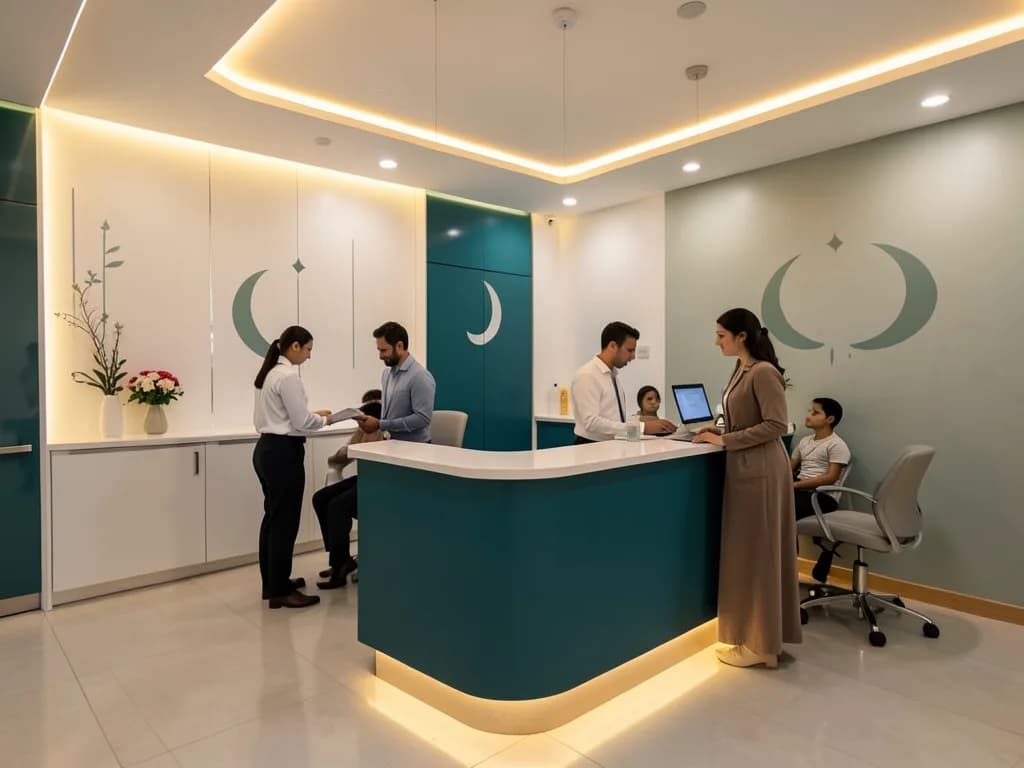
Dental Clinic Hours During Ramadan 2026 by Clinic Type
Typical hours shown below. Individual clinics vary — always confirm your specific clinic by WhatsApp or phone before making the trip.
Private Dental Clinics
ReducedMost private clinics shift to split-shift Ramadan hours. Evening shift after Iftar is typically busier. Hours vary by clinic — always call ahead to confirm.
DHA Government Health Centres
Near standardDHA health centres generally maintain close to standard morning hours during Ramadan. Evening operations may be limited. Emergency services are maintained.
Hospital Dental Departments
ReducedHospital dental departments typically run morning clinics and maintain emergency coverage. Major hospitals (Dubai Hospital, American Hospital) have 24-hour emergency dental cover.
Dubai Healthcare City Clinics
ReducedDHCC clinics generally maintain both morning and evening Ramadan shifts, though with shorter hours than usual. Many international and specialist clinics are based here.
24-Hour Emergency Clinics
FullA small number of clinics and all hospital emergency departments maintain 24-hour dental emergency service throughout Ramadan. No appointment needed for emergencies.
Can You Have Dental Treatment While Fasting in Ramadan?
This is one of the most common questions Dubai patients ask during Ramadan. The short answer: yes, you can have most dental treatments while fasting, including local anaesthetic injections. The longer answer is below.
Does not break the fast
- ✓ Local anaesthetic injections (injected into tissue, not swallowed)
- ✓ Dental X-rays (no ingestion of any substance)
- ✓ Tooth extraction (if no material enters the digestive tract)
- ✓ Scale and polish (with care to avoid swallowing water)
- ✓ Fillings and crowns (when dry-field techniques are used)
- ✓ Root canal treatment (per majority scholarly opinion)
Personal or scholarly discretion advised
- ! Teeth whitening (gels in contact with teeth — opinions vary)
- ! Mouthwash or oral rinses used during treatment
- ! IV sedation (requires swallowing or IV access — breaks fast per most scholars)
- ! General anaesthesia (breaks the fast)
- ! Treatments requiring the patient to eat or drink beforehand for medical reasons
The Scholarly Consensus on Local Anaesthetic
The Islamic Fiqh Academy and the majority of contemporary Islamic scholars consider dental local anaesthetic injections permissible during fasting because the anaesthetic is injected into the tissue of the cheek or gum — it does not enter the stomach or digestive system. This position is supported by the DHA and is the working basis for dental care throughout Ramadan in Dubai. Patients who have doubts based on their personal religious practice should consult their own sheikh or religious authority before their appointment.
Dental Treatments Available During Ramadan in Dubai
Availability assumes the patient is attending a clinic that is open during Ramadan hours.
| Treatment | Availability | Notes |
|---|---|---|
| Emergency dental care (pain, abscess, trauma) | 24/7 | Available at hospital emergency departments throughout Ramadan |
| Routine check-up and examination | During clinic hours | Available at all open clinics during morning and evening Ramadan shifts |
| Dental cleaning (scale and polish) | During clinic hours | Available — comfortable to receive while fasting as nothing is swallowed |
| Fillings (composite or amalgam) | During clinic hours | Available — local anaesthetic does not break the fast per scholarly consensus |
| Tooth extraction | During clinic hours | Available — schedule for evening after Iftar to eat and rest post-extraction |
| Root canal treatment | During clinic hours | Available — may require multiple sessions, plan accordingly |
| Dental X-rays | During clinic hours | Available and does not break the fast |
| Invisalign fitting or check-up | During clinic hours | Available but fewer slots — book well in advance |
| Teeth whitening | Limited | Available at most clinics but some patients prefer to defer — whitening gels are not swallowed but some prefer to avoid any mouth intervention during fasting |
| Complex implant surgery (multi-stage) | May be deferred | Some clinics prefer to schedule complex multi-session implant procedures outside of Ramadan for patient comfort — discuss with your provider |
| Elective cosmetic smile makeovers | Limited | Available but with reduced scheduling flexibility — many patients and clinics prefer pre-Ramadan or post-Eid timing for elective cosmetic work |
Practical Tips for Dental Patients During Ramadan
From booking strategy to post-treatment recovery — how to manage your dental health during Ramadan in Dubai.
Book in advance — do not walk in
Ramadan clinic hours are shorter and appointment slots fill up faster. Call or WhatsApp your clinic at least a week in advance, especially for the popular evening shift after Iftar.
Prefer the morning shift if you are fasting
Early morning appointments (10am–12pm) are often easier to attend during the first half of the fast when hunger and thirst have not yet set in. Post-treatment recovery is also more comfortable when you can drink water in the evening.
Schedule extractions and surgery for after Iftar
If you need a tooth extraction, gum surgery, or any procedure where post-procedure bleeding or discomfort is expected, schedule the evening shift so you can eat and drink soft foods immediately after treatment.
Confirm hours by WhatsApp the day before
Ramadan hours can change week by week, especially around key dates like Laylat Al Qadr (the last 10 nights of Ramadan) and Eid. WhatsApp is the most reliable way to confirm your appointment is still available and the clinic is open.
Book post-Ramadan appointments now
If you are deferring elective treatment until after Eid, book your April appointment now. The first two weeks after Eid are typically very busy across all Dubai dental clinics as deferred patients return.
Do not delay urgent treatment
Toothache, abscess, broken tooth, or dental trauma should never be delayed — emergency dental care is available around the clock throughout Ramadan. Delaying a dental infection during Ramadan can lead to serious health complications.
Emergency Dental Care During Ramadan in Dubai
Do not delay urgent dental treatment
Severe toothache, dental abscess, facial swelling, a broken tooth with nerve exposure, or dental trauma (knocked-out or displaced tooth) are dental emergencies that require immediate attention — regardless of Ramadan. Delaying treatment for a spreading dental infection can be life-threatening. Go to a hospital emergency department immediately if you cannot reach an emergency dental clinic.
24-Hour Emergency Options
- • Dubai Hospital Emergency Department — Bur Dubai
- • Rashid Hospital Emergency Department — Oud Metha
- • American Hospital Dubai — 24-hour emergency
- • Mediclinic City Hospital — Dubai Healthcare City
- • Private 24-hour dental emergency clinics (see our guide)
What Counts as a Dental Emergency
- ! Severe toothache that prevents sleep or eating
- ! Visible facial or gum swelling — possible abscess
- ! Knocked-out or displaced adult tooth (act within 1 hour)
- ! Broken tooth with exposed nerve or severe sensitivity
- ! Bleeding that will not stop after 30 minutes of pressure
- ! Dental trauma following an accident or injury
Does Insurance Cover Dental Treatment During Ramadan?
UAE dental insurance coverage does not change during Ramadan. If your plan covers a particular treatment outside of Ramadan, it covers the same treatment during Ramadan — subject to your annual dental limit. Emergency dental care is covered under most plans as a medical expense if treated at an in-network hospital emergency department.
| Insurance Provider | Dental Limit | Ramadan Impact |
|---|---|---|
| Daman (all plans) | AED 1,500–3,000/yr | No change in coverage — same benefits apply |
| Bupa UAE | AED 2,000–5,000/yr | No change in coverage — emergency dental covered |
| AXA Insurance | AED 1,500–4,000/yr | No change in coverage — check in-network clinics |
| MetLife | AED 2,000–6,000/yr | No change in coverage — some plans cover specialist |
| No insurance (self-pay) | Not applicable | Standard clinic fees apply — no Ramadan surcharge |
Read the full dental insurance Dubai guide for a complete comparison of coverage across all major UAE plans.
Compare coverage from providers like Cigna, Daman, and MetLife on our individual insurer pages.
Planning Dental Care Around Eid and Post Ramadan
If you are deferring non-urgent treatment until after Ramadan, here is the expected timeline for Ramadan 2026. Note that all dates are subject to official UAE moon sighting confirmation.
Subject to moon sighting — may shift by 1 day
Many clinics closed or operating limited hours during Eid public holidays
Most private clinics return to standard hours after the Eid holiday period
Expect high demand — book in advance if you need a post-Ramadan appointment
Book Your Post-Eid Appointment Now
Dental clinics in Dubai are typically very busy in the first two weeks of April after Eid, as patients return for deferred elective treatments and check-ups. Many clinics offer post-Ramadan dental care packages that bundle a check-up, cleaning, and whitening at a reduced rate. If you plan to have any elective dental work done after Ramadan, book your appointment now. Use our clinic finder to search by area and treatment type and secure your spot.
Fasting Dental Care — What Is Safe and What to Avoid
Patients observing Ramadan often have questions about whether dental treatment is compatible with fasting. Here is a practical clinical guide covering both the religious perspective and the medical advice from dental professionals in Dubai.
Generally Safe During Fasting Hours
- Dental check-up and examination
- Dental X-rays (nothing swallowed)
- Scale and polish (rinse and spit protocol)
- Composite or amalgam fillings with local anaesthetic
- Tooth extractions with local anaesthetic
- Root canal treatment (no irrigants swallowed)
- Dental impressions or intraoral scanning
- Application of fluoride varnish (spit, don't swallow)
- Placement of crowns or bridges
- IV drip injections (non-nutritive, does not break fast per most scholars)
Discuss With Your Scholar or Defer
- Teeth whitening gels (some scholars consider precautionary to avoid)
- Prolonged irrigation during root canals (risk of swallowing)
- Oral rinses used during periodontal treatment
- General anaesthesia (hospital setting; nutritive IV fluids may be used)
- Oral sedation medications (tablets swallowed — defer to after Iftar)
- Antibiotics or painkillers taken orally (defer to Iftar time)
- Nitrous oxide sedation (no nutritive substance — most scholars permit)
- Dietary supplement mouth rinses
Important note: The religious rulings summarised here represent the general scholarly consensus based on major Islamic jurisprudence bodies, including the Islamic Fiqh Academy. However, individual patients should consult their own religious authority or scholar for personal guidance — rulings can vary between schools of thought (madhabs) and individual circumstances. Dubai's dental clinics are experienced in discussing these concerns sensitively and will work with you to schedule treatment appropriately.
Dental Treatment Costs During Ramadan in Dubai
Standard dental fees apply during Ramadan — there is no Ramadan surcharge, nor typically any Ramadan discount, at Dubai private dental clinics. Emergency dental care costs are identical to non-Ramadan rates. The table below shows typical AED costs for common treatments you might need during Ramadan.
| Treatment | AED Range | Ramadan Timing |
|---|---|---|
| Emergency consultation | 150 – 400 | Available morning or evening shift; 24hr at hospitals |
| Emergency temporary filling | 150 – 350 | Both shifts; fast-compatible |
| Simple tooth extraction | 250 – 600 | Prefer evening after Iftar for recovery comfort |
| Dental X-ray (periapical) | 80 – 200 | Both shifts; no fasting concern |
| Root canal treatment (single visit) | 800 – 2,000 | Both shifts; rinse-and-spit protocol |
| Scale and polish | 250 – 600 | Both shifts; spit, don't swallow |
| Composite filling | 200 – 600 | Both shifts; local anaesthetic does not break fast |
| Antibiotics (5-day course) | 50 – 150 | Take after Iftar to maintain fasting hours |
| In-office teeth whitening | 800 – 2,000 | Generally deferred to post-Ramadan; check with your scholar |
| Dental check-up only | 150 – 350 | Both shifts; no fasting concern |
All prices in AED at private Dubai dental clinics. For a comprehensive cost guide see our dental treatment cost guide 2026.
How Ramadan Fasting Affects Your Oral Health
The extended fasting hours of Ramadan can affect oral health in ways that patients and dentists should be aware of. Understanding these effects helps prevent problems arising during or after Ramadan.
Dry Mouth (Xerostomia) During Fasting Hours
Saliva is the mouth's natural defence mechanism — it neutralises acid, washes away food debris, and remineralises enamel. During fasting hours, reduced fluid intake leads to reduced saliva flow (dry mouth or xerostomia). A dry mouth environment is more acidic, which accelerates enamel erosion and cavity formation. Patients who already have low salivary flow — due to medications or Sjogren's syndrome — are particularly vulnerable during Ramadan. At Suhoor (the pre-dawn meal), drink plenty of water to maintain hydration through fasting hours.
Bad Breath (Halitosis) During Fasting
Bad breath is almost universal during Ramadan fasting hours and is not a sign of poor oral hygiene. Fasting triggers ketosis (fat metabolism for energy) which produces volatile ketone compounds including acetone — exhaled through the lungs. Additionally, reduced saliva flow allows bacteria to proliferate more rapidly in the mouth. Brushing teeth after Suhoor and using a tongue scraper helps minimise odour without breaking the fast. Most scholars permit using a miswak (natural tooth-cleaning stick) without water, and brushing with toothpaste using the rinse-and-spit method.
Sugar Exposure During Iftar and Suhoor
Research from various Muslim-majority countries consistently shows increased rates of new cavities in the months following Ramadan, linked to high sugar consumption at Iftar (dates, juices, desserts, Ramadan sweets) and insufficient time for brushing before sleep. To protect teeth during Ramadan: brush thoroughly after Iftar and again before sleeping, use fluoride toothpaste, limit sugary foods at Iftar to immediately after breaking fast rather than throughout the evening, and drink water rather than sweetened beverages.
Medication Timing for Dental Pain
Patients taking dental pain medication or antibiotics must adjust dosing to fasting hours. Most antibiotics and analgesics can be safely taken at Iftar and Suhoor to maintain the required dosing intervals. Inform your Dubai dentist that you are fasting so they can prescribe medications with schedules compatible with a twice-daily (Iftar and Suhoor) pattern. Never delay taking prescribed antibiotics for a dental infection during Ramadan — untreated infection can rapidly worsen.
Increased Bruxism (Tooth Grinding) During Ramadan
Sleep disruption, altered meal timing, and changes in stress levels during Ramadan are associated with increased bruxism (tooth grinding during sleep) in susceptible individuals. Bruxism accelerates tooth wear, causes jaw muscle soreness, and can crack teeth. If you grind your teeth, wearing your night guard throughout Ramadan is particularly important. See our dedicated guide to night guards in Dubai for options and pricing.
What to Expect at a Dubai Dental Clinic During Ramadan
Visiting a Dubai dental clinic during Ramadan is a slightly different experience from a regular visit. Here is what to expect, from booking to leaving the clinic.
Booking During Ramadan
Slots fill faster during Ramadan due to reduced operating hours. WhatsApp booking is the most reliable channel for most Dubai private clinics — many respond faster to WhatsApp than phone calls. Book at least a week ahead for the popular evening shift. If you need an urgent appointment, call directly and explain the nature of your dental problem — most clinics maintain capacity for emergencies.
Arriving at the Clinic
During the morning shift (10am–2pm), expect a quieter environment and faster service. During the evening shift (8pm–11pm), expect the clinic to be busier as this is the most popular time for fasting patients who prefer to attend after Iftar. Bring your insurance card and Emirates ID (or passport for visitors). Some clinics ask patients to be seated 10–15 minutes before their appointment time.
Communicating About Fasting
Dubai dentists are highly experienced treating fasting patients. Tell your dentist at the start of the appointment that you are fasting. This allows them to: minimise the amount of water or saline used (rinse-and-spit only), schedule longer procedures for the evening shift where possible, adjust their communication about post-treatment care (e.g., 'take painkillers with your Iftar meal'), and use appropriate materials that minimise any risk of accidental ingestion.
During Treatment While Fasting
For most routine procedures, treatment while fasting is comfortable and clinically safe. Your dentist will use a suction device to remove any water, irrigant, or saliva during treatment. You will be asked to rinse and spit, not swallow. If at any point you feel lightheaded, nauseous, or unwell during a fasting appointment — particularly during longer procedures — inform your dentist immediately. Minor dizziness can occur during long dental appointments even outside Ramadan.
After Treatment During Ramadan
Post-treatment care instructions are modified for fasting patients in Dubai. For extractions or procedures with post-operative care instructions: your dentist will advise you to eat and drink soft foods at Iftar before taking any medication, to avoid hot drinks (tea, coffee) at Iftar for the first evening after extraction, and to maintain gentle rinsing from Iftar onwards. Written post-operative care instructions in Arabic and English are provided at most clinics.
Frequently Asked Questions
When is Ramadan 2026 in Dubai?
Ramadan 2026 in Dubai is expected to begin around 1 March 2026 and end around 30 March 2026, subject to official moon sighting confirmation. The exact start date is announced by UAE authorities one day in advance. Eid Al Fitr is expected to fall around 31 March 2026, though this also depends on the moon sighting. If you are planning dental appointments around Ramadan, it is safest to assume the period from 28 February to 1 April may be affected by Ramadan hours. Always call your clinic a few days before your appointment to confirm current hours.
Does dental local anaesthetic break the fast during Ramadan?
According to the scholarly consensus of major Islamic jurisprudence bodies, including the Islamic Fiqh Academy and the views of most contemporary scholars, receiving dental local anaesthetic injections does not break the fast (Sawm) as long as no material is swallowed. The anaesthetic is injected into tissue and does not enter the digestive system. Dental procedures involving local anaesthetic, X-rays, and tooth extractions are generally considered permissible during fasting hours. Patients should consult their own religious authority if they have personal doubts, as rulings can vary between schools of thought.
What dental treatments are available during Ramadan in Dubai?
During Ramadan in Dubai, dental clinics that are open offer routine appointments including check-ups, cleanings, fillings, X-rays, tooth extractions, and root canal treatments during their reduced operating hours. Emergency dental care is available 24 hours a day at hospital emergency departments and some dedicated emergency dental clinics throughout Ramadan. Elective cosmetic procedures such as Invisalign fittings, veneer placements, and whitening sessions are available at most clinics but may have fewer appointment slots. It is always advisable to book in advance rather than walk in during Ramadan.
What are typical dental clinic hours during Ramadan in Dubai?
During Ramadan, most private dental clinics in Dubai operate in two shifts. The morning shift typically runs from 10am to 2pm, allowing fasting patients to attend before the fast becomes more demanding in the afternoon. The evening shift typically runs from 8pm to 11pm or midnight, after Iftar, which is often the more popular and busier period. DHA government health centres generally maintain closer to standard hours during Ramadan. Hospital-based dental departments are open as per the hospital's Ramadan schedule. Hours vary significantly between clinics — always confirm by WhatsApp or phone before visiting.
Is emergency dental care available during Ramadan in Dubai?
Yes. Emergency dental care is available around the clock throughout Ramadan in Dubai. Hospital emergency departments such as Dubai Hospital, Rashid Hospital, and the American Hospital all provide emergency dental services 24 hours a day. Private emergency dental clinics also maintain reduced but continuous service. For severe dental pain, abscess, or dental trauma during Ramadan, do not wait for a clinic to open — go directly to a hospital emergency department or visit our 24-hour dentist Dubai page to find a clinic open immediately.
Should I schedule dental treatment before or after Ramadan?
For non-urgent elective treatments such as Invisalign fittings, veneers, whitening, or complex restorative work, scheduling before Ramadan (ideally February) or after Eid is generally easier and more efficient. Clinics have full staffing and fewer scheduling constraints outside of Ramadan. The two weeks after Eid Al Fitr (typically early April 2026) tend to see a rush of patients who deferred treatment during Ramadan, so book post-Ramadan appointments in advance. Urgent and emergency treatment should never be delayed and is available throughout Ramadan.
Find a Dubai Dental Clinic Open During Ramadan
Browse verified DHA-licensed dental clinics, filter by area, check availability, and book your appointment before the Ramadan rush — no registration needed.
Use our dental care finder to compare clinics, read reviews, and book appointments.
Related availability guides: