Senior Dental Care Dubai — Complete Guide for Over 60s in 2026
Dubai has a significant and growing population of older adults — long-term expat residents, retirees who have made the UAE their home, and an ageing Emirati population. Dental needs change significantly after 60: dry mouth from medications, receding gums, root decay, worn teeth, and the challenge of tooth replacement all become more prominent. This guide covers everything older adults need to know about dental care in Dubai.
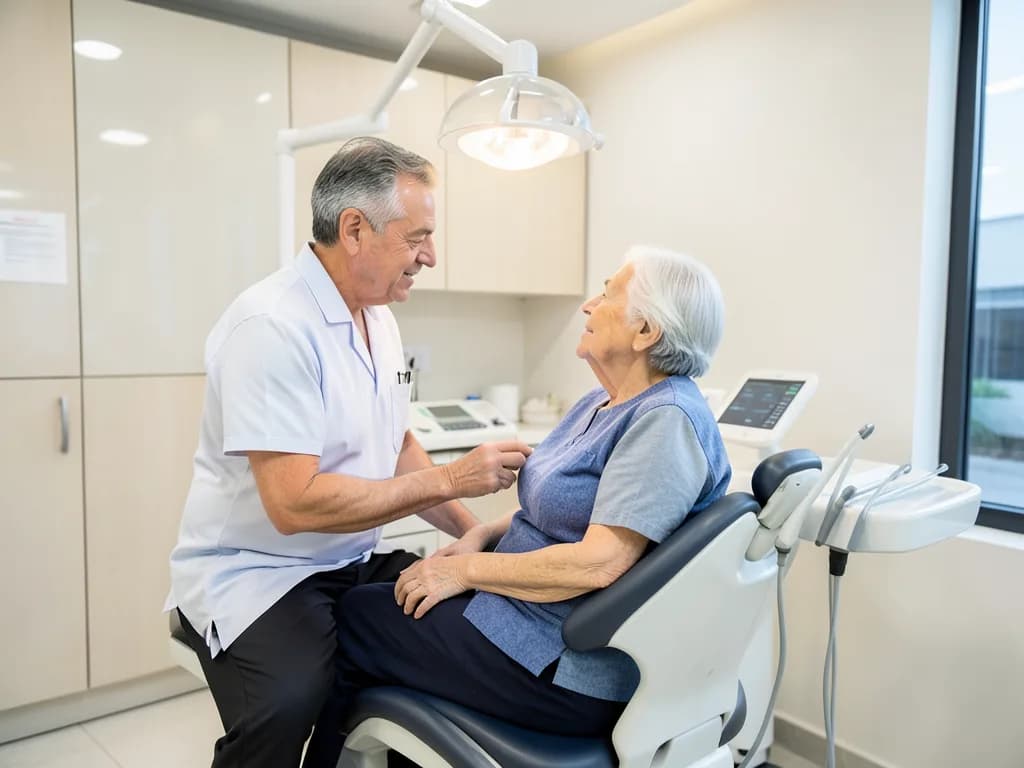
How Dental Needs Change After 60
Over 30% of adults over 65 experience xerostomia (dry mouth) — almost always due to medication side effects rather than ageing alone. Common culprits include antihypertensives (beta-blockers, ACE inhibitors, calcium channel blockers), antidepressants (SSRIs, tricyclics), antihistamines, diuretics, and medications for Parkinson's disease and incontinence. Saliva plays a crucial protective role: without it, root surfaces (which are softer than enamel and become exposed as gums recede with age) decay rapidly.
Gum recession is another near-universal change — exposing the root surfaces of teeth to the oral environment. Root surfaces have no protective enamel, making them significantly more vulnerable to decay. Root caries (cavities on root surfaces) are a leading cause of tooth loss in older adults and require more frequent professional monitoring and cleaning.
Teeth accumulate wear over decades. Enamel becomes thinner, teeth become more prone to cracking, and old restorations (amalgam fillings placed 20–40 years ago) frequently need replacing as they deteriorate or develop secondary decay around their margins. Scheduling a regular dental check-up every 3-4 months is the single best way to catch these issues before they become emergencies. For a full overview of available treatments, see our dental treatments guide.
Common Conditions and Treatments for Seniors
Dry Mouth (Xerostomia)
Caused by 400+ medications. Accelerates root surface decay dramatically. Management includes xylitol gum, Biotene products (available in UAE pharmacies), sipping water frequently, and 3–4 monthly professional cleans.
Root Caries
Decay on exposed root surfaces — softer and more vulnerable than enamel. Caught early, treated with small fillings (AED 200–500). Untreated, can destroy the tooth. Fluoride varnish application at each clean significantly reduces risk.
Worn or Cracked Teeth
Decades of use, grinding (bruxism), and acid erosion thin the enamel. Severe wear may require crowns (AED 1,200–3,500) to restore function and prevent fracture. A night guard can protect against further grinding damage.
Tooth Loss and Replacement
Conventional dentures, implant-retained dentures (overdentures), fixed bridges, and dental implants are all options. Implant-retained dentures transform quality of life for those struggling with loose lower dentures — typically AED 8,000–16,000 for 2-implant lower overdenture.
Bisphosphonate Medications — Tell Your Dentist
Bisphosphonate medications are prescribed for osteoporosis and bone metastases. Common names include alendronate (Fosamax), risedronate (Actonel), ibandronate (Boniva), and zoledronic acid (Zometa). A rare but serious complication called medication-related osteonecrosis of the jaw (MRONJ) can occur following invasive dental procedures such as extractions or implant placement.
The risk is highest with intravenous bisphosphonates (Zometa) and longer duration of oral bisphosphonate use (over 3–5 years). Always disclose your full medication list before any dental procedure. Your dentist may request a drug holiday and liaise with your physician before proceeding with extractions or implants.
Never assume any medication is irrelevant to dental treatment — always share your complete medication list at every visit.
Senior Dental Treatment Costs in Dubai
Indicative AED price ranges at mid-range to premium Dubai clinics.
For a full Dubai-wide comparison, see our dental cost guide 2026.
| Treatment | Price Range (AED) | Notes |
|---|---|---|
| Routine consultation | 200–500 | Comprehensive assessment including medication review |
| Scale and polish (3-monthly) | 300–600 | More frequent cleans advised for seniors |
| Root caries treatment (filling) | 200–500 | Per tooth; exposed root surfaces |
| Crown on worn or cracked tooth | 1,200–3,500 | Zirconia or porcelain-fused-to-metal |
| Full upper or lower denture | 2,000–6,000 | Conventional removable denture |
| Denture reline | 500–1,200 | Improves fit as jawbone changes |
| Implant-retained denture (2 implants) | 8,000–16,000 | 2 implants + overdenture; lower arch most common |
| Full denture on 4 implants | 15,000–30,000 | All-on-4 or all-on-6 concept |
Prices are indicative ranges. Hospital-based and specialist clinics may price above these ranges. All amounts in AED.
Check your insurance coverage or find an affordable dentist in Dubai.
Where to Get Senior Dental Care in Dubai
Hospital-Based Dental Departments
American Hospital Dubai, Mediclinic hospitals, and Kings College Hospital London Dubai all have multi-specialist dental teams with experience treating medically complex older patients. These facilities are best suited for patients requiring medical clearance, sedation, or multidisciplinary coordination between their physician and dentist.
Dubai Healthcare City Specialists
DHCC is home to a concentration of specialist dental practitioners including prosthodontists (who specialise in complex tooth replacement, dentures, and implants), periodontists (gum disease specialists), and endodontists (root canal specialists). For complex senior dental cases — particularly implant-retained dentures or full-mouth rehabilitation — DHCC specialist clinics offer the highest level of care.
General Practice Clinics with Senior Experience
Many well-equipped general dental clinics throughout Dubai provide excellent routine care for older patients — regular cleaning, monitoring of existing restorations, and managing the early stages of root caries and gum recession. The key is choosing a clinic where staff take time to review your medication list and tailor the treatment plan accordingly.
Common Dental Issues for Seniors and Treatment Options
A quick-reference guide to the most prevalent conditions affecting adults over 60 in Dubai, with recommended treatment paths and indicative AED costs.
| Condition | Cause | Recommended Treatment | Cost (AED) |
|---|---|---|---|
| Dry mouth (xerostomia) | Medication side effects — 400+ drugs listed | Xylitol gum, Biotene products, 3-monthly cleans, saliva substitutes | 300–600 |
| Root caries | Exposed root surfaces from gum recession | Small fillings, fluoride varnish application, closer monitoring | 200–500 per tooth |
| Periodontitis (gum disease) | Plaque build-up, reduced immune response | Deep scaling, root planing, 3-monthly maintenance | 400–1,200 per quadrant |
| Worn or cracked teeth | Decades of use, bruxism, enamel thinning | Crowns, onlays, night guard to prevent further damage | 1,200–3,500 per crown |
| Loose or ill-fitting denture | Jaw bone resorption changing denture fit | Denture reline or new denture; implant retention option | 500–6,000 |
| Oral cancer | Cumulative UV/tobacco exposure; risk rises with age | Biopsy + specialist referral; screening at every check-up | Screening included in check-up |
| MRONJ risk | Bisphosphonate or antiresorptive medications | Pre-operative disclosure; possible drug holiday; specialist consult | Varies by procedure |
All amounts in AED. Costs are indicative at mid-range Dubai clinics.
How Common Medications Affect Oral Health in Seniors
The average adult over 65 takes five or more prescription medications. Many of these have direct oral health consequences. Always bring your full medication list to every dental appointment — including supplements, over-the-counter drugs, and eye drops, which are often overlooked but can have systemic effects.
Antihypertensives (calcium channel blockers)
Amlodipine, nifedipine
Gingival overgrowth (swollen gums) — can make plaque removal difficult and mimic gum disease
Antidepressants and antipsychotics
SSRIs, tricyclics, olanzapine
Dry mouth, bruxism (teeth grinding), increased decay risk
Bisphosphonates and antiresorptives
Alendronate, zoledronic acid, denosumab
MRONJ risk after extractions or implants — always disclose to dentist
Anticoagulants
Warfarin, aspirin, rivaroxaban, apixaban
Prolonged bleeding after extractions or periodontal procedures — dentist may liaise with prescriber
Diuretics
Furosemide, hydrochlorothiazide
Dry mouth, electrolyte changes that can cause oral burning or altered taste
Immunosuppressants
Prednisolone, methotrexate, tacrolimus
Increased infection risk, delayed healing, oral candidiasis (thrush)
For complex medication interactions, a dental specialist or hospital-based dental department is best placed to coordinate with your physician. Learn more about available dental treatments in Dubai.
Choosing a Senior Friendly Clinic in Dubai
Not all dental clinics are equally equipped for older adult patients. The following features distinguish a senior-friendly dental practice from a general-purpose clinic.
Takes a full medical and medication history
At every visit — not just once at registration
Offers flexible, longer appointment slots
Seniors often need more time; rushed appointments cause anxiety
Accessible facilities
Step-free access, wide doorways, height-adjustable chairs
In-house prosthodontist or denture specialist
For complex denture or implant work
Willingness to liaise with your physician
Especially for anticoagulant or bisphosphonate management
Geriatric dentistry experience
Ask directly — experienced clinics will have treated medically complex elderly patients regularly
Questions to ask when calling a clinic
- — Do you take a full medication list at each visit?
- — Can you accommodate patients who take bisphosphonates or anticoagulants?
- — Do you have a prosthodontist or denture specialist on staff?
- — Is the clinic fully wheelchair accessible?
- — Can you offer morning appointments (lower anxiety, more stable blood pressure)?
Use our clinic finder to browse DHA-licensed dentists in Dubai and filter by specialist availability.
Daily Home Care Tips for Older Adults
The 3–4 months between professional cleanings is a long time for root surfaces to be vulnerable. The following home care habits significantly reduce decay and gum disease risk between visits.
Use a soft-bristle electric toothbrush
More effective at the gumline; gentler on exposed root surfaces than manual scrubbing
Apply a high-fluoride toothpaste
5,000ppm fluoride prescription toothpaste (e.g. Duraphat) dramatically reduces root caries — ask your dentist
Floss or use interdental brushes daily
Root surfaces between teeth are especially vulnerable; interdental brushes are easier for arthritis sufferers
Sip water frequently throughout the day
Counters dry mouth; plain water is the only drink that does not add acid or sugar load
Chew sugar-free xylitol gum after meals
Stimulates saliva production; xylitol actively inhibits decay-causing bacteria
Use alcohol-free fluoride mouthwash
Alcohol-based mouthwashes worsen dry mouth; alcohol-free fluoride rinse adds extra protection
Clean dentures nightly
Soak in water or denture cleaner overnight; never sleep in full dentures — it causes bone resorption
Monitor for oral cancer signs
Any ulcer or white/red patch that persists for more than 2 weeks needs professional review
Dental Insurance for Seniors in Dubai
Dubai's mandatory basic insurance often provides limited dental coverage. Enhanced plans are advisable for complex senior dental needs.
Insurance Tips for Seniors
Many UAE insurers cap new enrolment at age 65 or apply significant premium loading for older applicants. Retired expats should review their options carefully — international health insurance plans with dental riders may be worth considering. Implant-retained dentures and cosmetic procedures are almost universally excluded. See our dental insurance guide for detailed plan comparison.
Frequently Asked Questions
What dental problems are most common in older adults in Dubai?
The most prevalent dental problems for adults over 60 in Dubai include dry mouth (xerostomia), root caries (decay on the exposed root surfaces of receding gums), worn teeth from decades of use, gum disease (periodontitis) — which affects over 70% of people over 65 — tooth loss, and challenges with existing dentures that no longer fit well as the jawbone changes shape. Many medications commonly prescribed for over-60s — including antihypertensives, antidepressants, antihistamines, and diuretics — list dry mouth as a side effect, which dramatically increases the risk of tooth decay by reducing the natural protection saliva provides.
How does dry mouth (xerostomia) affect dental health and what can I do?
Saliva is your mouth's natural defence system — it neutralises acid, washes away food particles, and contains antimicrobial proteins. Dry mouth (xerostomia) affects over 30% of adults over 65, almost always due to medication side effects rather than the ageing process itself. Without adequate saliva, decay progresses rapidly, especially on the exposed root surfaces of teeth that show with age-related gum recession. Management includes sipping water frequently throughout the day, chewing sugar-free xylitol gum (which stimulates saliva flow), using Biotene oral care products (available in UAE pharmacies), avoiding alcohol-based mouthwashes, and attending more frequent professional cleanings — every 3–4 months rather than the standard 6 months.
I take bisphosphonate medication for osteoporosis — does this affect dental treatment?
Yes, and this is critically important to disclose to your dentist. Bisphosphonate medications — including oral forms such as alendronate (Fosamax) and IV forms such as zoledronic acid (Zometa) — are used to treat osteoporosis and bone metastases. A rare but serious complication called medication-related osteonecrosis of the jaw (MRONJ or BRONJ) can occur, particularly following tooth extraction or implant placement. Before any invasive dental procedure, your dentist must know you are taking bisphosphonates, how long you have been taking them, and whether they are oral or intravenous. IV bisphosphonates carry a much higher risk than oral forms. Your dentist may liaise with your physician before proceeding and may recommend a drug holiday before invasive treatment.
Are dental implants a good option for seniors in Dubai?
Dental implants can be an excellent option for healthy seniors, with success rates in older adults comparable to younger patients. Age alone is not a contraindication for implants — the key factors are adequate bone density, absence of uncontrolled systemic disease, and not taking high-risk bisphosphonate medications intravenously. Implant-retained dentures (overdentures) are a particularly popular option for seniors in Dubai who have been struggling with loose conventional dentures. Two or four implants can anchor a removable denture dramatically improving stability, chewing function, and quality of life. The investment is significant — typically AED 8,000–20,000 for an implant-retained lower denture — but for suitable patients the functional improvement is transformative.
What dental insurance options are available for seniors in Dubai?
Dubai's mandatory basic health insurance (DHA basic plan) typically provides limited dental coverage — usually routine cleaning and basic restorations up to a modest annual limit. For seniors requiring more comprehensive care, an enhanced plan is strongly advisable. However, many UAE insurers cap new policy enrolment at age 65 or apply significant premium loading for older applicants. Seniors already enrolled in a comprehensive plan through an employer or family member should review their dental benefit limits carefully. For retired expats, international health insurance plans that include dental riders may be worth considering. Our dental insurance guide covers the major UAE insurers and their plans in detail.
How often should older adults have dental check-ups in Dubai?
For most adults over 60, a dental check-up and professional cleaning every 3–4 months is recommended rather than the standard 6-monthly schedule. This increased frequency is justified by higher decay risk from dry mouth and exposed root surfaces, higher gum disease risk, the importance of early detection of oral cancer (risk increases with age), and monitoring of existing restorations (crowns, bridges, dentures) that tend to deteriorate more quickly in older patients. If you have well-controlled gum disease, no dry mouth, and take no high-risk medications, your dentist may determine that 4–6 monthly visits are appropriate for your specific situation.
Where is the best place for complex senior dental care in Dubai?
For complex senior dental needs — including specialist periodontic treatment for advanced gum disease, implant-retained dentures, or complex removable denture work — hospital-based dental departments and specialist dental centres offer the most comprehensive options. American Hospital Dubai and Mediclinic hospitals have multi-specialist dental teams experienced with medically complex patients. Dubai Healthcare City (DHCC) hosts numerous specialist dental practices including prosthodontists who specialise in complex tooth replacement. For routine care, any DHA-licensed general dental clinic that accommodates patients with medical conditions is appropriate — always call ahead and discuss your medical history and medication list.
Find a Dentist for Older Adults in Dubai
Browse verified, DHA-licensed clinics with experience treating senior patients. A general dentist familiar with age-related conditions is the ideal starting point. Compare prices, check insurance acceptance, and book online — free, no registration required.
Use our platform to find a dental professional who specialises in senior care.