Bad Breath Treatment in Dubai — The Complete Halitosis Guide
Chronic bad breath (halitosis) affects an estimated 25–30% of adults and is almost always caused by an identifiable and treatable dental or medical condition. This guide covers every cause, the diagnostic process at Dubai clinics, all treatment options with AED costs, and home-care advice tailored to life in Dubai's climate. If you suspect gum disease is involved, see our gum disease treatment Dubai guide.
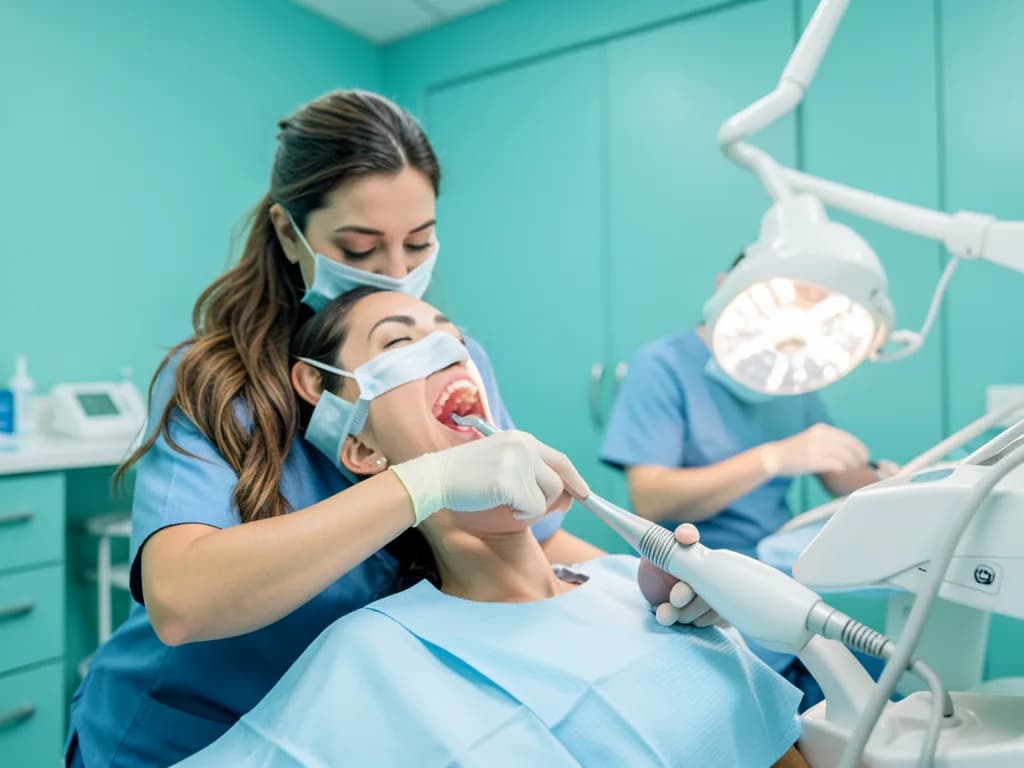
Halitosis vs Normal Bad Breath — What Is the Difference
Not all bad breath is halitosis. Understanding the difference helps you know whether a dentist visit is needed or whether simple hygiene adjustments will suffice.
Morning Breath (Normal)
During sleep, saliva flow drops dramatically and bacteria multiply. The result is a temporary increase in volatile sulphur compounds that gives everyone morning breath. It resolves within minutes of waking, brushing and drinking. It is not a medical condition and requires no treatment beyond good routine oral hygiene.
Chronic Halitosis (Needs Treatment)
Persistent bad breath present throughout the day, not related to specific foods, that others have commented on and that does not improve with brushing. Chronic halitosis always has an underlying cause — dental in 80–90% of cases — that a dentist can identify and treat. It should never be accepted as a permanent condition.
Pseudohalitosis and halitophobia affect a small minority of patients who believe they have bad breath despite objective evidence that they do not. These are psychological conditions best managed with reassurance and, if persistent, referral to a psychologist. A halimeter reading can provide objective evidence that VSC levels are normal — often highly reassuring.
The 5 Main Causes of Bad Breath
Understanding the cause is essential — treatment is entirely different depending on which category applies to you.
Gum Disease (Periodontitis and Gingivitis)
Most common dental causeThe single most common dental cause of chronic bad breath. Bacteria colonise deep periodontal pockets, producing volatile sulphur compounds (VSCs) — hydrogen sulphide and methyl mercaptan — which have a distinctive rotting-egg or sewage odour. Even mild gingivitis produces measurable VSC elevation. Professional treatment of the underlying gum disease almost always resolves the odour within weeks.
Tooth Decay and Dental Abscess
Common — requires dental treatmentCavities harbour bacteria in a low-oxygen environment that produces foul-smelling metabolic by-products. A dental abscess — a pocket of pus caused by bacterial infection — generates some of the most severe and persistent bad breath, often accompanied by toothache, swelling and fever. Treatment of the cavity or abscess eliminates the odour source immediately.
Tongue Bacteria and Coating
Very common — often overlookedThe tongue dorsum — particularly the posterior third — is the largest surface for bacterial colonisation in the mouth. A thick white or yellow coating on the back of the tongue is a direct source of VSCs. Studies show that tongue cleaning alone reduces VSC levels by 30–75%. Many patients with halitosis have never been advised about tongue hygiene.
Dry Mouth (Xerostomia)
Common — especially in Dubai climateSaliva is the mouth's natural self-cleaning mechanism. It washes away food particles, neutralises acids and contains antimicrobial proteins. When saliva flow drops — due to mouth breathing, medication side effects (antihistamines, antidepressants, blood pressure drugs), dehydration, or Sjögren's syndrome — bacteria proliferate unchecked. In Dubai's heat, chronic mild dehydration significantly worsens dry mouth and the resulting halitosis.
Systemic Causes
Less common — referral neededWhen all dental causes have been excluded, systemic conditions are investigated. Acid reflux (GERD) brings stomach acid and undigested food odours into the oesophagus and throat. Chronic sinusitis produces post-nasal drip that coats the posterior tongue with bacteria-rich mucus. Uncontrolled diabetes produces a fruity acetone breath due to ketones. Kidney failure produces an ammoniacal 'fishy' odour. Liver disease causes a musty breath called fetor hepaticus. These require referral to the appropriate specialist.
The Diagnostic Process at a Dubai Clinic
A thorough diagnostic process is what separates effective treatment from temporary masking.
Medical and Dietary History
Your dentist will ask about how long you have noticed the bad breath, whether it is present throughout the day or only at certain times, what medications you take, and your diet. Foods rich in sulphur compounds (garlic, onions, dairy) cause transient bad breath that resolves once digested — this is not halitosis. Persistent breath that is present regardless of diet, and that others have commented on, is chronic halitosis requiring investigation.
Oral Examination and Periodontal Probing
The dentist examines all teeth for cavities, broken restorations, abscesses and gum inflammation. Periodontal probing measures pocket depths around every tooth. The tongue is assessed for coating. Sinuses are palpated for tenderness. In some specialist clinics a halimeter or Oral Chroma device objectively measures VSC levels in parts per billion — providing a baseline measurement and confirming whether the source is oral or systemic.
Dental X-rays
Periapical X-rays reveal cavities between teeth and at the root tips, periapical abscesses, bone loss from gum disease, and retained root fragments — all of which can produce persistent odour that a visual examination alone might miss. Bitewing X-rays specifically target interproximal decay. If gum disease is present, full-mouth periapical radiographs are taken to assess bone levels.
Targeted Dental Treatment
Once the dental causes are identified and treated — cleaning, fillings, root canal, or periodontal treatment — a review appointment is scheduled at 4–6 weeks. If the odour has resolved, no further investigation is needed. If it persists despite full resolution of all dental causes, a systemic cause is suspected and an appropriate specialist referral is made.
Systemic Referral If Required
If dental causes are excluded, your dentist will refer you to an ENT specialist (for sinusitis or post-nasal drip), a gastroenterologist (for acid reflux or GERD), or your GP (for diabetes screening, kidney or liver function). This multidisciplinary approach ensures the root cause is always identified — bad breath should not be accepted as an unchangeable condition.
Treatment Options for Bad Breath in Dubai
The right treatment depends entirely on the underlying cause. Below are the most common treatments and what they address.
Scale and Polish
AED 300 – 500 per session
Removes plaque and calculus that harbour odour-producing bacteria. The first-line treatment for most dental-cause halitosis.
Deep Cleaning (SRP) for Gum Disease
AED 600 – 1,500
Scaling and root planing removes bacteria from deep periodontal pockets — the primary source of VSCs in gum-disease-related halitosis.
Cavity Treatment (Composite Filling)
AED 300 – 600 per tooth
Decayed tooth structure harbouring bacteria is removed and replaced with a tooth-coloured composite resin filling, eliminating the odour source.
Root Canal Treatment
AED 1,500 – 3,000
When decay reaches the pulp, necrotic (dead) pulp tissue produces very strong odour. Root canal treatment removes the infected tissue and seals the canal system.
For a complete breakdown of what these treatments cost, see our 2026 Dubai dental pricing guide. If gum disease is the underlying cause, a periodontist can provide specialist deep cleaning treatment. Advanced gum disease often causes gum recession and deep pockets that trap odour-producing bacteria — see our gum recession treatment guide for repair options.
Tongue Scraping Guidance
Free at clinic
Dentist demonstrates correct technique and recommends the appropriate tongue scraper. Studies show 30–75% reduction in VSC levels with consistent daily tongue scraping.
Antibacterial Mouthwash
AED 50 – 150
Chlorhexidine (0.12–0.2%) or zinc-based mouthwash as an adjunct to mechanical cleaning — not a standalone treatment. Effective for short-term bacterial suppression.
Dry Mouth Management
AED 100 – 300
Artificial saliva sprays, salivary stimulating lozenges (xylitol-based) and medication review (where drug side effects cause xerostomia) to restore adequate salivary flow.
Specialist Referral (Systemic Causes)
AED 300 – 600 consultation
ENT for sinusitis, gastroenterologist for GERD or H. pylori, GP for diabetes or kidney/liver screening. Dental causes are always excluded first before referral.
All prices in AED. Dubai clinic survey data, February 2026.
Bad Breath Treatment Costs in Dubai 2026
All prices in AED. Costs depend on the cause identified and the extent of treatment required.
| Treatment | AED Range | Notes |
|---|---|---|
| Professional scale and polish | AED 300 – 500 | Removes plaque and calculus, addresses gum inflammation |
| Deep cleaning (scaling and root planing) | AED 600 – 1,500 | If gum disease is the underlying cause |
| Cavity treatment (composite filling) | AED 300 – 600 | Per tooth; eliminates decay-related odour source |
| Root canal treatment | AED 1,500 – 3,000 | If decay has reached the pulp |
| Tongue scraping guidance | Free at clinic | Instruction and scraper recommendation |
| Antibacterial mouthwash prescription | AED 50 – 150 | Chlorhexidine or zinc-based formulations |
| Dry mouth management products | AED 100 – 300 | Artificial saliva sprays, hydrating lozenges |
| Specialist referral (ENT or gastroenterology) | AED 300 – 600 | Consultation fee if systemic cause suspected |
Prices from Dubai clinic surveys, February 2026. See also our teeth cleaning Dubai cost guide.
Home Care Tips for Bad Breath in Dubai
Professional treatment addresses the cause; these home-care habits prevent recurrence. Tips are tailored to Dubai's specific climate challenges.
1Brush twice daily for two full minutes
Use a fluoride toothpaste and a soft-bristle brush. Electric toothbrushes remove plaque significantly more effectively than manual brushes.
2Clean between teeth daily
Floss or interdental brushes remove bacteria from spaces the toothbrush cannot reach. This is often the most neglected step — and the most important for eliminating gum-disease-related odour.
3Scrape the tongue every morning
Use a dedicated tongue scraper (not the toothbrush) with backward-to-forward strokes along the full length of the tongue dorsum. Repeat 5–7 times. This is the single highest-impact home-care measure for tongue-source halitosis.
4Drink at least 2.5–3 litres of water daily
In Dubai's heat, dehydration is chronic for many residents and dramatically worsens dry mouth. A well-hydrated mouth is a cleaner mouth. Carry a water bottle and sip throughout the day — do not wait until you feel thirsty.
5Limit coffee, alcohol and high-sulphur foods
Coffee and alcohol both reduce salivary flow. Garlic and onions produce systemic VSCs that are exhaled through the lungs — no amount of brushing eliminates them until fully metabolised (6–8 hours).
6Chew sugar-free xylitol gum after meals
Xylitol stimulates saliva flow and has antibacterial properties against the bacteria most responsible for dental decay and bad breath. It is not a substitute for brushing but is an effective between-meal adjunct.
General Dentist vs Specialist — Who Should You See
Always start with a general dentist. 80–90% of halitosis cases are resolved at the dental level — specialist referral is only needed if dental causes are fully excluded.
General Dentist
First point of contact for all cases. Treats gum disease, decay and provides tongue hygiene advice. Responsible for excluding all dental causes before any referral.
Periodontist
If gum disease is advanced (Stage 2 or above) or has not responded to general dental treatment. Specialist in the structures supporting the teeth.
ENT Specialist
If sinusitis, chronic post-nasal drip, or tonsil stones are suspected as a contributing cause. Typically after dental causes are excluded.
Gastroenterologist
If acid reflux (GERD), H. pylori infection, or other digestive causes are suspected — particularly if heartburn or regurgitation symptoms are also present.
If gum disease is severe or not responding to general dental treatment, ask for a referral to a specialist periodontist in Dubai. For decay and root canal treatment needs, a general dentist with endodontic training handles most cases. A general dentist is your best first step for halitosis diagnosis. Complex root canals may be referred to an endodontist. See our dental treatments Dubai guide for specialist options. Some patients also explore holistic dental approaches that address the oral microbiome as part of halitosis management.
Insurance Coverage for Bad Breath Treatment in Dubai
Insurance covers the treatment of the underlying cause — not bad breath as a standalone diagnosis.
What is typically covered
Scale and polish
Covered 1–2x per year on most UAE plans
Scaling and root planing
Covered at 50–80% after deductible
Fillings for decay
Covered on standard and enhanced plans
Root canal treatment
Covered on enhanced plans; pre-auth often needed
Dental abscess treatment
Covered as emergency dental treatment
Specialist referral (ENT / GI)
Covered under medical benefits
For insurer-specific coverage details including Daman, AXA, Bupa and MetLife, see our dental insurance Dubai guide. For the dental abscess page, see our dental abscess Dubai guide.
How Halitosis Diagnosis and Treatment Works in Dubai
Effective halitosis treatment depends entirely on identifying the correct cause. Here is how Dubai dentists systematically diagnose and address bad breath.
Halitosis Assessment and Odour Profiling
Your dentist takes a detailed medical and dietary history, then performs an organoleptic smell test (the gold standard) — assessing exhaled air from the mouth and nose separately at a defined distance. Volatile sulfur compound (VSC) levels can be measured objectively using a Halimeter or OralChroma device, which identifies specific gases (hydrogen sulphide, methyl mercaptan, dimethyl sulphide) pointing to their source. Tongue coating is visually scored. Cost: AED 150–300 for a halitosis-specific consultation.
Professional Dental Cleaning and Subgingival Debridement
If periodontal disease or calculus build-up is identified as the primary source of bad breath, professional scaling and root planing is performed to remove bacteria-harbouring calculus from above and below the gumline. Eliminating periodontal pockets — where anaerobic bacteria produce volatile sulphur compounds — is the single most impactful intervention for odour originating from the mouth. Cost: AED 200–600 for scale and polish; AED 400–1,200 per quadrant for SRP.
Tongue Cleaning and Microbiome Treatment
The tongue dorsum (especially the posterior third) is the largest site of VSC-producing bacteria in the oral cavity, responsible for up to 60% of oral halitosis cases. Professional tongue debridement removes accumulated biofilm. Patients are taught to use a tongue scraper daily as part of their home routine. Anti-bacterial mouthwashes containing chlorhexidine (0.12–0.2%) or cetylpyridinium chloride provide significant short-term reduction of tongue bacteria.
Treatment of Dental Caries and Abscesses
Untreated dental decay and root canal infections are significant sources of malodour. Cavities are restored with composite or amalgam fillings. Infected pulp tissue is removed through root canal treatment and the canal system sealed. A dental abscess requires drainage, antibiotics (metronidazole 400 mg three times daily for 5 days is the standard Dubai protocol), and definitive treatment of the causative tooth. Resolving these infections eliminates their odour contribution immediately.
Dry Mouth Management (Xerostomia Treatment)
Saliva plays a critical role in washing away bacteria and neutralising volatile sulphur compounds. Reduced saliva flow — from medications, autoimmune conditions like Sjogren's syndrome, mouth breathing, or alcohol — allows VSC levels to rise dramatically. Treatment includes increasing water intake to 2–3 litres daily in the UAE heat, using saliva substitutes (Biotene, OralBalance), stimulating saliva with sugar-free xylitol gum, and reviewing medications with your physician.
ENT and Gastroenterology Referral
When dental causes have been thoroughly treated but bad breath persists, referral to an ENT specialist (for sinus disease, tonsil stones, post-nasal drip) or gastroenterologist (for GERD, H. pylori, or liver disease) is necessary. GERD affects approximately 20–30% of UAE adults and can cause a distinctive sour-acidic odour. H. pylori gastric infection produces a sulphurous odour detectable in breath. These medical conditions require specialist management outside dentistry.
Technology Used in Halitosis Diagnosis
Halimeter — VSC Measurement
The Halimeter (Interscan Corporation) measures total volatile sulphur compound concentration in parts per billion in exhaled breath. Readings above 100 ppb indicate clinically significant halitosis. It provides an objective, measurable baseline and allows comparison after treatment to document improvement. Available at specialist halitosis clinics and some periodontist practices in Dubai.
OralChroma — Gas Chromatography
OralChroma is a portable gas chromatograph that separately quantifies hydrogen sulphide (from periodontal bacteria), methyl mercaptan (from the tongue and deep pockets), and dimethyl sulphide (which points to systemic causes). The specific gas profile guides treatment — hydrogen sulphide points to gum disease; dimethyl sulphide to liver or kidney disease. More accurate than the Halimeter for source identification.
Periodontal Probing and Pocket Charting
Precise measurement of pocket depths at all six sites around every tooth identifies the anaerobic pockets harbouring VSC-producing bacteria. Pockets deeper than 4 mm create oxygen-poor environments ideal for the pathogens (P. gingivalis, T. forsythia, T. denticola) responsible for the strongest halitosis compounds. Charting guides which quadrants require deep cleaning.
Tongue Biofilm Scoring
The Winkel Tongue Coating Index (WTCI) scores tongue biofilm on a 0–5 scale by examining three regions of the tongue. Scores of 3 or higher are associated with clinically significant halitosis and indicate that tongue cleaning is a priority intervention. Regular re-scoring tracks the effectiveness of home tongue hygiene.
Salivary Flow Rate Testing
Unstimulated whole saliva flow below 0.1 ml/min (xerostomia threshold) or stimulated flow below 0.7 ml/min confirms clinically significant dry mouth. A saliva collection tube and timer are used. Identifying hyposalivation explains why some patients have persistent bad breath despite excellent oral hygiene and guides treatment toward saliva management strategies.
CBCT and Periapical X-rays
Hidden dental abscesses, periapical infections, and impacted wisdom teeth are invisible on a visual examination but visible on X-rays. A periapical series around suspected teeth or a full-mouth CBCT scan identifies these hidden odour sources. Sinusitis can also be identified on CBCT, supporting ENT referral for patients with nasal-origin halitosis.
Before and After Halitosis Treatment
Before Treatment
- •Self-conscious about closeness with colleagues, partners, and family
- •Covering mouth when speaking or laughing
- •Compulsively using mints, gum, or mouthwash that only mask odour for minutes
- •Avoiding social eating situations or close conversations
- •Noticing others reacting to your breath before you are told directly
- •Anxiety and reduced self-confidence in professional settings
After Successful Treatment
- Fresh breath consistently throughout the day
- Comfortable speaking closely with others without anxiety
- No need for constant mints or mouthwash
- Underlying gum disease or infection resolved — protecting teeth long-term
- Improved confidence in professional and social interactions
- Objective VSC levels reduced to normal range on Halimeter testing
How to Prevent Bad Breath
Brush Teeth for Two Minutes, Twice Daily
Use a soft-bristled brush and fluoride toothpaste. Clean all surfaces — outer, inner, and chewing surfaces. The two-minute duration is evidence-based: most people brush for under 45 seconds. An electric toothbrush with a 2-minute timer is recommended for more consistent results. Replace brush heads every 3 months.
Clean Your Tongue Every Morning
Use a dedicated tongue scraper (not the back of your toothbrush) to remove the biofilm from the posterior tongue where the majority of VSC-producing bacteria reside. Scrape from back to front 5–7 times, rinsing the scraper between each stroke. This single habit reduces morning bad breath by 60–70% according to clinical studies.
Floss or Use Interdental Brushes Daily
40% of tooth surfaces are only reachable with interdental cleaning. Flossing removes the food debris and plaque between teeth that becomes the food source for odour-producing bacteria overnight. In Dubai's high-humidity climate, neglected interdental spaces develop significantly more bacterial biofilm than in cooler, drier climates.
Stay Hydrated — 2.5 to 3 Litres Daily in UAE
Dehydration in Dubai's heat reduces saliva flow, allowing bacteria to proliferate. Drinking water throughout the day is the simplest habit for preventing both dry mouth and the halitosis that follows. Avoid substituting coffee, alcohol, or sugary drinks for water — these worsen dehydration and contribute to odour.
Regular Professional Dental Cleaning
Even with excellent home hygiene, calculus accumulates in areas a brush cannot reach. Professional cleaning every 6 months removes these deposits and monitors for early gum disease. Most UAE health insurance plans cover 1–2 scale and polish sessions per year — use this benefit to prevent both gum disease and halitosis.
Avoid Smoking and Alcohol
Smoking is a major cause of persistent halitosis through direct volatile compounds, reduced saliva, and promotion of periodontal disease. Alcohol dries the mouth severely for hours after consumption. Both habits compound every other risk factor for bad breath. Their elimination produces rapid and dramatic improvement in breath freshness.
Warning Signs — When to Seek Dental Help for Bad Breath
Severe swelling, pain, and foul taste in the mouth — possible abscess
A dental abscess produces a powerful putrid odour and requires urgent drainage and antibiotics. Infection can spread rapidly in the UAE heat. Visit an emergency dentist immediately.
Bad breath accompanied by bleeding gums and loose teeth
This combination signals advanced periodontitis causing active bone loss. The earlier this is treated, the greater the chance of saving affected teeth.
Persistent bad breath despite brushing, flossing, and tongue cleaning
If home hygiene is thorough and bad breath persists, a professional assessment is needed to identify subgingival sources — pockets, decay, or a failing restoration — that home care cannot address.
Friends or family have mentioned your breath more than once
Social feedback is often the most reliable indicator of clinically significant halitosis. Do not dismiss it as embarrassment — book a halitosis assessment to identify and treat the cause.
You notice morning breath that is unusually strong or does not improve after brushing
Persistent morning halitosis despite good hygiene suggests elevated overnight VSC production from periodontal bacteria or tongue biofilm — worth discussing at your next cleaning appointment.
Frequently Asked Questions
What is the difference between morning breath and chronic halitosis?
Morning breath is a normal physiological phenomenon. During sleep, saliva flow drops dramatically, allowing bacteria to multiply overnight and produce volatile sulphur compounds. This resolves within minutes of waking with brushing and drinking water. Chronic halitosis — medically termed halitosis or fetor oris — is persistent bad breath that is present throughout the day regardless of brushing, that others comment on, and that does not resolve after eating or drinking. Chronic halitosis always has an underlying cause that can be identified and treated. If you have it, a dentist appointment is the first step.
How long does halitosis treatment take in Dubai?
If the cause is a simple one — such as accumulated plaque and calculus requiring a professional scale and polish — a single appointment of 30–60 minutes may be sufficient, with odour improvement noticed within days. If gum disease is the cause, full-mouth scaling and root planing requires 2–4 appointments over 3–6 weeks, with odour resolution typically complete within 4–8 weeks of treatment. If systemic causes are involved and referral is needed, the full diagnostic process may take 1–3 months. The good news is that 95% of halitosis cases have an identifiable and treatable cause.
Can mouthwash cure bad breath permanently?
No. Mouthwash provides temporary suppression of bad breath — typically for 1–3 hours — by killing surface bacteria and masking odour with flavour. It does not reach bacteria in periodontal pockets, clean between teeth, remove tongue coating, or treat any underlying dental disease. Using mouthwash as a substitute for treating the underlying cause is like using deodorant without washing — temporary and ineffective. Chlorhexidine mouthwash (0.12–0.2%) is the most effective antibacterial formulation and is useful as an adjunct to dental treatment, but it should not be used long-term without dental supervision due to tooth staining.
Is bad breath covered by dental insurance in Dubai?
There is no specific insurance code for bad breath — it is not in itself a billable condition. However, the treatments that address the underlying cause are typically covered. Professional cleaning (scale and polish) is covered 1–2 times per year on most UAE plans. Scaling and root planing for gum disease is covered on most plans at 50–80% after deductible. Fillings and root canal treatment for decay are covered on standard and enhanced plans. The diagnostic consultation is covered under general dental examination codes. For specifics about your plan, see our dental insurance Dubai guide.
Does the Dubai climate make bad breath worse?
Yes, significantly. Dubai's extreme heat causes residents and visitors to lose large volumes of fluid through perspiration — often without feeling sufficiently thirsty to compensate adequately. Chronic mild dehydration is common, and it directly reduces saliva production, leading to dry mouth. A dry oral environment is dramatically more hospitable to the anaerobic bacteria that produce volatile sulphur compounds. Additionally, air-conditioned environments promote mouth breathing, which further dries the mucosa. Residents in Dubai should aim for 2.5–3 litres of water daily, increasing further during outdoor activity or summer months.
Can bad breath be caused by tonsil stones?
Yes. Tonsil stones (tonsilloliths) are calcified deposits that form in the crypts of the tonsils from accumulated food debris, bacteria and dead cells. They produce extremely potent volatile sulphur compounds and can cause severe halitosis even in patients with otherwise healthy teeth and gums. Tonsil stones appear as small white or yellow lumps visible in the back of the throat. They can sometimes be dislodged at home with a water flosser directed at low pressure into the tonsillar crypts. Recurrent or large tonsil stones that cause significant symptoms may require ENT evaluation for tonsillectomy consideration.
What is the most effective treatment for bad breath from gum disease?
The most effective treatment is professional scaling and root planing (deep cleaning) of the periodontal pockets combined with rigorous home oral hygiene. Bacteria in deep pockets produce volatile sulphur compounds that are the primary source of gum-disease-related halitosis. Once pockets are thoroughly debrided and inflammation resolves, VSC levels drop dramatically. Studies show that non-surgical periodontal treatment reduces VSC levels by 60–80% in patients with periodontitis. This is combined with twice-daily brushing, daily interdental cleaning and tongue scraping. See our gum disease treatment Dubai guide for full details.
Find a Dentist for Halitosis Treatment in Dubai
Compare verified Dubai dentists, check insurance acceptance and book a halitosis assessment today. Or start your dentist search from our homepage.