IV Sedation Dentistry Dubai — 2026 Patient Guide
IV conscious sedation is the gold standard for patients with dental phobia, those needing lengthy or complex procedures, and anyone who wants to complete dental treatment with zero memory of the experience. Delivered intravenously by a trained sedationist at a DHA-licensed facility, IV sedation produces deep relaxation and amnesia while you remain breathing independently.
This guide covers everything you need to know about IV sedation dental treatment in Dubai — from how it feels and what it costs (AED 1,500–5,000 per session) to safety protocols, fasting rules, and which dental procedures are best suited for IV sedation. For a broader overview of all sedation options available in Dubai, see our sedation dentist Dubai guide.
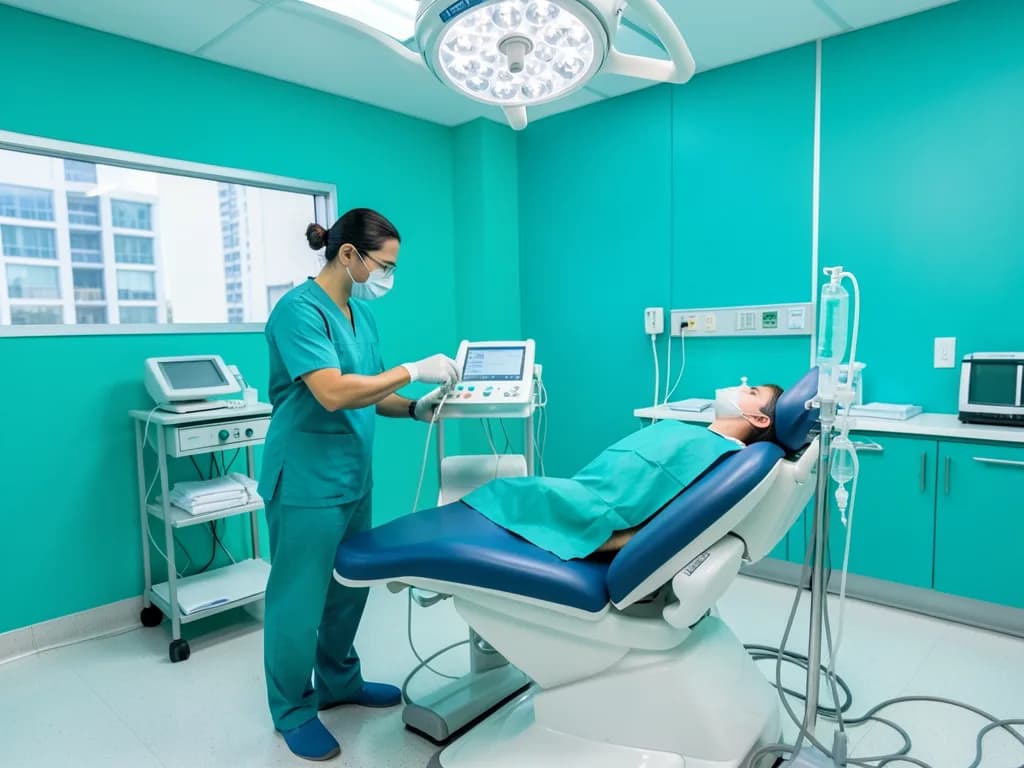
What Is IV Sedation in Dentistry
Understanding the difference between sedation and anaesthesia is essential before making your decision.
IV Sedation Explained
IV (intravenous) conscious sedation involves administering sedative medication directly into a vein through a small cannula, typically placed in the back of the hand or inner elbow. The most commonly used drug in Dubai dental practice is midazolam, a fast-acting benzodiazepine that produces anxiolysis (anxiety relief), muscle relaxation, and anterograde amnesia (inability to form new memories during the sedated period). The sedationist titrates the dose — administering small increments every 60–90 seconds until the desired level of sedation is achieved.
Crucially, IV sedation is not general anaesthesia. You remain conscious — breathing independently, maintaining your own airway, and able to respond to verbal instructions. However, you are in a state of deep relaxation and detachment from what is happening. Most patients have no memory of the dental treatment whatsoever. This combination of consciousness (for safety) with amnesia (for comfort) makes IV sedation the ideal option for the vast majority of patients who cannot tolerate dental treatment under local anaesthetic alone.
Local anaesthetic (numbing injections) is still given for pain control — sedation provides relaxation and amnesia, not analgesia. The beauty of IV sedation is that you will not remember the local anaesthetic injection either, so even patients with a fear of needles can receive treatment comfortably. If you experience dental anxiety in Dubai, IV sedation may be the approach that finally allows you to get the care you need.
IV Sedation vs Oral Sedation vs Nitrous Oxide vs General Anaesthesia
A comprehensive side-by-side comparison of all four sedation methods available at Dubai dental clinics, highlighting why IV sedation is the preferred choice for complex and phobia-related cases. For detailed sedation pricing, see our sedation dentistry cost guide.
| Factor | Nitrous Oxide | Oral Sedation | IV Sedation | General Anaesthesia |
|---|---|---|---|---|
| Nitrous Oxide (Laughing Gas) | — | |||
| Oral Sedation (Tablets) | — | |||
| IV Conscious Sedation | — | |||
| General Anaesthesia | — |
| Factor | Nitrous Oxide | Oral Sedation | IV Sedation | General Anaesthesia |
|---|---|---|---|---|
| Sedation depth | Minimal — fully conscious | Mild to moderate — drowsy | Moderate to deep — deeply relaxed | Unconscious |
| Onset time | 2–3 minutes | 30–60 minutes | 30–90 seconds | Immediate (IV induction) |
| Memory of procedure | Full memory retained | Partial — some gaps | Usually no memory at all | No memory — unconscious |
| Additional cost (AED) | 200 – 500 | 300 – 600 | 1,500 – 5,000 | 5,000 – 12,000+ |
| Recovery time | 5–15 minutes | 4–6 hours | 30–60 min clinic, 24 hr full | Several hours, possible overnight |
| Can drive after | Yes (after brief recovery) | No — 24 hours | No — 24 hours | No — 24–48 hours |
| Escort required | No | Yes | Yes — must stay at clinic | Yes — may need overnight |
| Who administers | Dentist or trained nurse | Dentist (prescription) | Trained sedationist (DHA) | Medical anaesthetist |
| Facility requirement | Standard dental clinic | Standard dental clinic | DHA-licensed sedation facility | Hospital or surgical centre |
| Reversal agent available | Yes — remove mask | No — must wait for effect | Yes — flumazenil (immediate) | Managed by anaesthetist |
Who Needs IV Sedation for Dental Treatment
IV sedation is not only for patients with extreme dental phobia — several clinical situations make it the medically appropriate and most efficient choice.
Patients with Dental Phobia (Odontophobia)
Severe dental fear that prevents regular dental visits is the most common reason for IV sedation. These patients may have avoided the dentist for years or decades, often resulting in extensive treatment needs. IV sedation produces amnesia — the patient has no memory of the procedure — which breaks the cycle of fear and allows them to receive treatment without creating new traumatic memories. Many patients who complete one IV sedation appointment find they can gradually transition to lighter sedation for future visits.
Complex or Lengthy Dental Procedures
Procedures lasting more than 90 minutes become uncomfortable for most patients, even without dental anxiety. IV sedation allows the dentist to complete extensive treatment in one session — multiple dental implants, full-mouth rehabilitation, several root canals, or a combination of extractions and restorations. For patients needing All-on-4 implants, multiple wisdom teeth removed, or bone grafting combined with implant placement, IV sedation is often the recommended approach by oral surgeons in Dubai.
Severe Gag Reflex
An overactive gag reflex can make even routine dental X-rays, impressions, and examinations extremely difficult. IV sedation significantly suppresses the gag reflex by depressing central nervous system activity. This allows the dentist to work comfortably in the back of the mouth — essential for wisdom tooth treatment, molar root canals, and taking accurate impressions for crowns or dentures. For patients who have had dental work abandoned due to gagging, IV sedation is often the solution that makes treatment possible.
Special Needs Patients
Patients with autism spectrum disorder, intellectual disabilities, cerebral palsy, or conditions that affect the ability to remain still and cooperate during dental treatment often require IV sedation. This allows comprehensive dental care to be completed safely and comfortably. Many special needs patients in Dubai receive all their dental treatment in one or two sedated sessions per year, minimising the stress of multiple clinic visits. DHA-licensed sedation facilities have experience with this patient group.
Patients Needing Multiple Treatments Consolidated
Patients who have postponed dental care and now need multiple fillings, extractions, and restorative work can benefit enormously from IV sedation. Rather than attending six or eight separate appointments — each requiring time off work and a separate anxiety episode — all treatment is completed in one or two long sedated sessions. The combined sedation fee is significantly lower than paying for sedation at each individual appointment, making this approach both clinically efficient and cost-effective.
Patients with Medical Conditions Affecting Treatment
Certain medical conditions make dental treatment more challenging — Parkinson's disease (involuntary movements), severe anxiety disorders (panic attacks in the dental chair), TMJ dysfunction (difficulty holding the mouth open for extended periods), and post-traumatic stress disorder triggered by medical environments. IV sedation relaxes the muscles, calms the central nervous system, and allows the dentist to work without the patient's condition interfering with the precision required for quality dental work.
Not sure if IV sedation is right for you? Start by discussing your concerns with a dentist experienced in sedation techniques. Many patients who think they need general anaesthesia discover that IV sedation achieves the same outcome — no memory, no distress — with lower risk and faster recovery. Use our clinic search tool to find DHA-licensed sedation dentists in Dubai, or read our guide to managing dental anxiety.
IV Sedation Cost in Dubai 2026
IV sedation is charged as an additional fee on top of the dental treatment cost. Prices vary by session duration, sedationist qualifications, and facility tier.
| Tier | Price Range | What Is Included | Typical Clinic |
|---|---|---|---|
| Budget | AED 1,500 – 2,000 | IV sedation for single short procedure (up to 60 minutes), midazolam only, basic monitoring, clinic recovery room | Community dental centres with sedation licence |
| Mid-Range | AED 2,000 – 3,500 | IV sedation for extended procedures (1–2 hours), midazolam with analgesic, pulse oximetry and capnography monitoring, dedicated sedation nurse | Established multi-speciality dental clinics |
| Premium | AED 3,500 – 5,000+ | IV sedation for full-day treatment sessions (2–4 hours), consultant anaesthetist on site, advanced multi-parameter monitoring, private recovery suite, post-sedation follow-up call | Hospital dental departments and premium private clinics |
Cost-saving tip: Consolidating multiple treatments into one IV sedation session can save significant money. For example, if you need three root canals at AED 2,500 each plus one extraction at AED 800, completing all four procedures in one sedated session means you pay one sedation fee instead of four separate ones. A single AED 3,000 sedation fee for a three-hour session is far more cost-effective than AED 1,500 four times (AED 6,000). Discuss consolidated treatment planning with your dentist. For comprehensive pricing information, see our sedation dentistry cost guide.
The IV Sedation Process Step by Step
Understanding each stage of the IV sedation process helps reduce pre-appointment anxiety and ensures you are fully prepared.
- 1
Initial Consultation and Treatment Planning
Your journey begins with a standard dental consultation where the dentist examines your teeth, takes X-rays, and develops a comprehensive treatment plan. At this stage, the dentist discusses whether IV sedation is appropriate for your planned procedures and level of anxiety. They will explain what IV sedation involves, answer your questions, and refer you for a pre-sedation medical assessment if you have any health conditions that need evaluation. This consultation is typically charged separately from the sedation fee and costs AED 200–500 depending on the clinic.
- 2
Pre-Sedation Medical Assessment
Before IV sedation can proceed, the sedationist conducts a thorough medical history review. They assess your current medications, allergies, body mass index, airway classification (Mallampati score), and any conditions that increase sedation risk — obstructive sleep apnoea, liver disease, respiratory conditions, or previous adverse reactions to anaesthesia. Blood pressure, heart rate, and oxygen saturation baselines are recorded. If you take blood thinners, antidepressants, or anti-epileptic medications, the sedationist may need to coordinate with your physician. This assessment typically occurs at a separate appointment 1–2 weeks before the sedation date.
- 3
Fasting and Pre-Appointment Preparation
Strict fasting rules apply before IV sedation. You must not eat any solid food for 6 hours before your appointment time. Clear fluids (water, black tea, apple juice — no milk or pulp) are permitted until 2 hours before. No chewing gum or sweets on the morning of the procedure. Wear comfortable, loose-fitting clothing with sleeves that roll up easily for the cannula insertion. Remove nail varnish from at least one finger (the pulse oximeter needs direct contact). Arrange for a responsible adult to accompany you — they must stay at the clinic during your treatment and drive you home afterwards.
- 4
Arrival and Monitoring Setup
When you arrive at the clinic, the sedation nurse takes your vital signs and confirms your fasting compliance. A pulse oximeter is placed on your finger (measures oxygen saturation), blood pressure cuff on your arm, and ECG leads if required by the facility protocol. A small IV cannula is inserted — usually into a vein on the back of your hand or inner elbow. This is the only uncomfortable part of the process, and many clinics apply topical anaesthetic cream beforehand to minimise the needle sensation. Once monitoring is established and the team is ready, sedation begins.
- 5
IV Sedation Administration and Dental Treatment
The sedationist slowly administers midazolam (the most commonly used IV sedative in Dubai dental practice) through the cannula. The drug takes effect within 30–90 seconds — you will feel a warm, relaxed sensation and may feel slightly lightheaded. The sedationist titrates the dose, adding small increments until the desired level of sedation is achieved. You remain breathing independently and can respond to simple commands (open wider, turn your head) but you are deeply relaxed and typically unaware of the treatment. Local anaesthetic is still administered for pain control — sedation provides relaxation and amnesia, not analgesia. The sedationist monitors your vital signs continuously throughout the procedure.
- 6
Recovery and Discharge
After dental treatment is completed, the sedation wears off over 30–60 minutes in the clinic's recovery area. The sedation nurse monitors your vital signs until you are alert and your observations are stable. You will feel drowsy and may have difficulty with balance — this is completely normal. You must not drive, operate machinery, sign legal documents, or consume alcohol for 24 hours. Your escort takes you home and stays with you for the remainder of the day. Written post-operative instructions are provided, including emergency contact details for the sedationist. Most patients feel completely normal by the following morning.
- 7
Post-Sedation Follow Up
The clinic typically contacts you the following day to check your recovery. Any dental post-operative instructions (pain management, antibiotics, dietary restrictions) should be followed as directed. If you experienced any adverse effects during or after sedation — prolonged drowsiness beyond 24 hours, nausea, vein irritation at the cannula site, or unusual symptoms — report these to the clinic immediately. A follow-up dental appointment is usually scheduled 1–2 weeks later to check healing and plan any remaining treatment. Many patients find that after a positive IV sedation experience, their dental anxiety decreases for subsequent visits.
Dental Procedures Commonly Performed Under IV Sedation
While IV sedation can be used for any dental procedure, it is most commonly requested for lengthier and more complex treatments.
| Procedure | Typical Duration | IV Sedation Recommendation |
|---|---|---|
| Dental Implant Placement (single or multiple) | 1–3 hours | Strongly recommended for multiple implants |
| All-on-4 or All-on-6 Full Arch Implants | 3–5 hours | Standard practice at most Dubai clinics |
| Wisdom Teeth Removal (multiple or impacted) | 45 min – 2 hours | Recommended for surgical extractions |
| Root Canal Treatment (multiple teeth) | 2–4 hours | Recommended when combining multiple teeth |
| Full Mouth Rehabilitation | 3–6 hours per session | Standard for extensive restorative work |
| Bone Grafting and Sinus Lift | 1–3 hours | Strongly recommended due to procedure nature |
| Multiple Extractions | 1–2 hours | Recommended for 3+ teeth in one visit |
| Complex Crown and Bridge Preparation | 2–4 hours | Recommended for full-arch preparations |
Safety and Monitoring During IV Dental Sedation
Patient safety is the absolute priority during IV sedation. DHA-licensed sedation facilities in Dubai must meet strict standards for equipment, personnel, and protocols.
Continuous Vital Sign Monitoring
Throughout your sedated procedure, the sedationist monitors pulse oximetry (blood oxygen saturation), capnography (exhaled CO2 — the earliest indicator of respiratory depression), non-invasive blood pressure (measured every 5 minutes), and heart rate and rhythm via ECG. Any deviation from normal triggers an immediate clinical response. This level of monitoring makes IV sedation in a properly equipped facility extremely safe.
Emergency Preparedness
DHA-licensed sedation facilities must maintain a fully stocked emergency kit including flumazenil (the benzodiazepine reversal agent that can immediately reverse midazolam sedation), supplemental oxygen delivery systems, bag-valve-mask ventilation equipment, suction apparatus, emergency drugs (adrenaline, atropine, salbutamol), and access to an automated external defibrillator. All sedation team members must hold current Basic Life Support and Immediate Life Support certifications.
Pre-Sedation Screening
Every patient undergoes a thorough medical assessment before IV sedation is approved. This includes review of all current medications, medical history, airway assessment (Mallampati classification), body mass index evaluation, and identification of any contraindications. Conditions that may preclude IV sedation include severe uncontrolled sleep apnoea, advanced liver disease, pregnancy, known allergy to benzodiazepines, and certain drug interactions. This screening ensures only appropriate candidates proceed.
Recovery Room Standards
After treatment, patients recover in a dedicated recovery area under the supervision of a trained sedation nurse. Vital sign monitoring continues throughout recovery until the patient meets specific discharge criteria — fully oriented, stable blood pressure, adequate oxygen saturation, and ability to walk with minimal assistance. Discharge is only to a responsible adult escort. Written post-operative instructions and the sedationist's emergency contact number are provided before the patient leaves.
Drugs Used in IV Conscious Sedation for Dentistry
Understanding the medications used in IV conscious sedation helps you ask informed questions at your pre-sedation assessment. The sedationist selects drugs based on your medical history, the procedure duration, and the desired sedation depth.
Midazolam is the most widely used IV sedative in Dubai dental practice. It produces anxiolysis (anxiety relief), muscle relaxation, and anterograde amnesia — the inability to form new memories during the sedated period. Onset occurs within 30–90 seconds of IV administration. The dose is titrated incrementally (typically 1–2 mg every 60–90 seconds) until the desired sedation level is achieved. The key advantage of incremental titration is precise dose adjustment — the sedationist can administer just enough for the individual patient rather than a fixed dose.
Reversal: Yes — flumazenil reverses midazolam immediately
Fentanyl is a potent short-acting opioid used as an analgesic adjunct alongside midazolam for more invasive procedures or patients with a low pain threshold. It enhances the sedation effect and reduces the dose of midazolam needed. Used particularly for complex oral surgery, implant placement, and wisdom tooth extraction under IV sedation. Fentanyl carries a greater risk of respiratory depression than midazolam alone — its use mandates capnography monitoring and an experienced sedationist.
Reversal: Yes — naloxone reverses opioid effects
Propofol is primarily a general anaesthetic induction agent but is sometimes used in sub-anaesthetic doses for deep conscious sedation in dental procedures — particularly for procedures requiring a still, deeply relaxed patient. It has a very rapid onset and short duration, making it easily titratable. However, propofol has a narrow therapeutic window and must only be used by a medical anaesthetist — not a dentist with a sedation qualification. Its use in dental sedation in Dubai is restricted to hospital dental departments and facilities with an on-site anaesthetist.
Reversal: No specific reversal agent — managed by reducing dose
Diazepam was historically used for IV dental sedation but has largely been replaced by midazolam due to midazolam's shorter duration, more predictable effect, and superior amnesia profile. Diazepam is still used for oral sedation (as a tablet) prior to dental appointments. It has a long half-life (20–100 hours), meaning patients may feel the effects well into the following day — this is why the 24-hour driving restriction applies to oral diazepam even when patients feel alert sooner.
Reversal: Yes — flumazenil reverses diazepam (but shorter-acting than diazepam itself)
Pre-operative assessment and fasting requirements: Before any IV sedative can be administered, your sedationist conducts a pre-operative assessment covering your full medication list (drug interactions between benzodiazepines and CNS depressants, antidepressants, or antiepileptic drugs are clinically significant), medical history, and fasting compliance. For all IV sedation procedures, strict fasting is mandatory — no solid food for 6 hours, no clear fluids for 2 hours. Non-compliance with fasting requirements results in procedure postponement — this is non-negotiable for patient safety. See our full guide on sedation dentistry in Dubai for all sedation types.
Risks and Potential Complications of IV Sedation
IV conscious sedation has an excellent safety record when performed at a DHA-licensed facility by a qualified sedationist. Serious complications are rare. Understanding what can go wrong — and how it is managed — allows you to make an informed decision. Patients with significant medical complexity should discuss risks specifically with the sedationist, not just the treating dentist.
Respiratory Depression
Rare but serious — immediately detectableBenzodiazepines reduce the drive to breathe at higher doses. Continuous capnography monitoring detects any reduction in respiratory rate or depth before blood oxygen falls. Flumazenil (the reversal agent) and supplemental oxygen are immediately available. With proper monitoring, respiratory depression is detectable and manageable — it is the reason continuous monitoring is non-negotiable for IV sedation.
Venous Access Complications
Common but minorBruising (haematoma) at the cannula insertion site is the most common complication, occurring in 10–20% of patients. Phlebitis (vein inflammation) is less common and typically resolves within 1–2 weeks. Extravasation (drug escaping outside the vein) is rare with midazolam but requires prompt management. Topical anaesthetic cream before cannulation minimises pain. Multiple venipuncture attempts are occasionally needed in patients with difficult veins.
Drug Interactions
Preventable with full medication disclosureMidazolam interacts significantly with: other CNS depressants (alcohol, opioids, sleep medications), certain antidepressants (SSRIs, MAOIs), azole antifungals (increase midazolam blood levels), and grapefruit juice (inhibits metabolism). Patients on antiepileptic medications, HIV antiretrovirals, or macrolide antibiotics may require dose adjustment. Full medication disclosure at your pre-operative assessment is essential — do not withhold any medication, including over-the-counter and herbal remedies.
Allergic Reactions
Very rare — emergency drugs on siteTrue allergy to midazolam or other benzodiazepines is extremely rare. A history of allergy to one benzodiazepine generally precludes all benzodiazepines. DHA-licensed sedation facilities must stock adrenaline, antihistamines, and hydrocortisone for allergic emergency management. Anaphylaxis during IV sedation is an extreme rarity in published dental sedation literature.
Nausea and Vomiting
Mild — common in susceptible patientsPost-sedation nausea occurs in approximately 5–10% of IV sedation patients, more frequently in those prone to motion sickness or those who received fentanyl alongside midazolam. Anti-nausea medication (ondansetron) can be given prophylactically for at-risk patients. Eating only light foods for the first 4–6 hours after discharge reduces post-sedation nausea. The risk of aspiration is essentially eliminated by strict fasting compliance.
Contraindications
Identified and excluded at pre-assessmentAbsolute contraindications to IV conscious sedation include: known pregnancy (teratogenic risk of benzodiazepines), known allergy to benzodiazepines, severe uncontrolled obstructive sleep apnoea, myasthenia gravis, severe acute respiratory disease, and significant hepatic impairment (severely affects drug metabolism). Relative contraindications requiring specialist assessment: controlled sleep apnoea, moderate liver disease, BMI above 40, first trimester of uncertain pregnancy, and patients on complex drug regimens with interaction potential.
Post-operative monitoring protocol: After IV sedation, patients are monitored in the recovery area until meeting formal discharge criteria — fully oriented to time, place, and person; vital signs within normal limits; oxygen saturation stable above 95%; and able to walk with minimal assistance. This structured recovery protocol, not a subjective feeling of alertness, is what determines when you are safe to leave. The sedation nurse documents observations throughout recovery. If you experience any unexpected symptoms after discharge — prolonged drowsiness beyond 24 hours, chest pain, breathing difficulty, or severe confusion — contact the clinic's emergency number immediately. For urgent dental issues, see our emergency dentist Dubai guide. For comprehensive treatment planning, explore dental treatments Dubai.
IV Sedation for Specific Dental Treatments in Dubai
IV conscious sedation improves outcomes across a range of dental treatments by allowing the clinician to work in a calm, controlled environment without patient movement, anxiety, or fatigue interfering with precision.
AED 2,000 – 5,000 sedation fee
Single implant placement under local anaesthetic is feasible for most patients. However, multiple implant placements, All-on-4, All-on-6, or cases involving simultaneous bone grafting and sinus lifting benefit enormously from IV sedation. The surgical precision required for implant angulation and depth demands a still, cooperative patient — IV sedation provides this while keeping the patient comfortable throughout procedures lasting 2–5 hours.
AED 1,500 – 3,000 sedation fee
Surgical removal of impacted wisdom teeth — particularly lower third molars requiring bone removal and sectioning — is one of the most common indications for IV sedation in Dubai. The procedure involves considerable pressure and sound that patients under local anaesthetic alone can find distressing. Under IV sedation, there is no conscious memory of the experience. Recommended when removing 3–4 wisdom teeth simultaneously.
AED 1,500 – 4,000 depending on age and procedure
Children who cannot cooperate with dental treatment despite nitrous oxide and behaviour management techniques may require IV sedation or general anaesthesia. Paediatric IV sedation must be performed by a dentist or anaesthetist with specific paediatric sedation training — adult sedation qualifications are not sufficient. Dose calculations are weight-based and monitoring standards are the same as for adults.
AED 3,000 – 5,000 per long session
Patients requiring extensive restorative work — multiple crowns, bridges, root canals, and extractions combined — benefit most from IV sedation's ability to consolidate multiple appointments into one or two long sedated sessions. Rather than 8–12 individual appointments, all work is completed in 2–3 extended sedated visits, dramatically reducing the total number of dental anxiety episodes and the cumulative time off work.
Anxiolytic and amnestic effect — the clinical advantage: The combination of midazolam's anxiolytic (anxiety-reducing) and amnestic (memory-blocking) properties means that patients who receive IV sedation for dentistry typically report a transformative experience. They arrive anxious, receive their sedation, and then — from their subjective perspective — a few minutes later are in the recovery room with the treatment complete. There is no conscious experience of drills, suction, or pressure during this time. For patients who have avoided the dentist for years due to odontophobia (dental phobia), this "twilight sleep" or "twilight sedation" experience often breaks the cycle of avoidance. Many go on to tolerate subsequent dental visits with lighter sedation or even without sedation at all. To find clinics offering IV sedation, use our dental clinic search tool.
DHA Regulations for IV Sedation in Dubai
The Dubai Health Authority (DHA) regulates all sedation services provided in Dubai. Understanding these regulations helps you verify that your chosen clinic meets the required standards.
Key DHA Requirements for Dental IV Sedation Facilities
- ✓The dental facility must hold a specific DHA licence for providing sedation services — a standard dental clinic licence alone is not sufficient for IV sedation
- ✓The sedationist must be a dentist with additional DHA-recognised qualifications in conscious sedation, or a medical anaesthetist registered with the DHA
- ✓A trained sedation nurse must be present throughout the procedure and during recovery — the sedationist cannot fulfil both roles simultaneously
- ✓The facility must maintain and regularly service specified emergency and resuscitation equipment, with documented evidence of equipment checks
- ✓Written informed consent must be obtained from the patient (or their legal guardian) before any sedation procedure, documenting risks, alternatives, and fasting compliance
- ✓Complete sedation records must be maintained including all drugs administered, doses, timing, vital sign observations, and any adverse events — these records form part of the patient's permanent medical record
- ✓The facility must have established protocols for managing sedation emergencies, including over-sedation, respiratory depression, allergic reactions, and cardiovascular events
Important verification step: Before booking IV sedation at any Dubai dental clinic, ask to see their DHA sedation facility licence and the sedationist's qualifications. A reputable clinic will share these without hesitation. If a clinic offers IV sedation but cannot provide documentation of their DHA licence for sedation services, consider this a significant red flag. You can verify DHA facility licences through the DHA's Sheryan platform. For help finding verified sedation clinics, use our top-rated dental clinics in the UAE directory.
Fasting Requirements Before IV Dental Sedation
Fasting is mandatory before IV sedation. These rules are non-negotiable and exist to protect you from the serious risk of pulmonary aspiration.
6 Hours Before
No solid food of any kind — including yoghurt, milk, soup with particles, fruit juice with pulp, and chewing gum. This includes light snacks, biscuits, and toast. The stomach must be as empty as possible before sedation begins.
Absolutely no food after this point
2 Hours Before
No clear fluids after this point. Clear fluids permitted up to 2 hours before include water, black tea, black coffee (no milk, no cream), and clear apple juice. After the 2-hour cutoff, nothing at all by mouth — no water, no sweets, no gum.
No fluids after this point
Why fasting matters: Sedation suppresses the cough reflex and swallowing reflex that normally prevent stomach contents from entering the lungs. If a patient vomits while sedated, gastric acid can be inhaled into the lungs (pulmonary aspiration) — a serious, potentially life-threatening complication. If you arrive for your appointment and have not followed the fasting rules, the sedationist will postpone your procedure. This is not a suggestion — it is a patient safety requirement. Plan your meal times carefully the evening before and morning of your appointment.
Recovery Timeline After IV Dental Sedation
Recovery from IV sedation is straightforward for the vast majority of patients. Here is what to expect hour by hour.
0–30 minutes after treatment ends
You will feel very drowsy and may drift in and out of light sleep in the recovery area. The sedation nurse monitors your vital signs. You may feel slightly nauseous — this is normal and passes quickly. Avoid trying to stand or walk without assistance during this phase.
30–60 minutes
You will become progressively more alert. You may be able to hold a brief conversation, though you may repeat questions as short-term memory is still impaired. Once your vital signs are stable and you meet the discharge criteria, you can leave with your escort. You will not remember most of this recovery period.
1–4 hours after discharge
You may feel drowsy at home and should rest. Eat and drink only light foods initially — water, toast, soup. Avoid hot drinks and crunchy foods until any local anaesthetic has worn off to prevent accidental burns or tongue biting. Have your escort stay with you during this period.
4–12 hours
Most patients feel significantly more alert by this point. Some mild drowsiness may persist. Continue to avoid driving, operating machinery, and consuming alcohol. Follow any dental post-operative instructions regarding pain medication, antibiotics, and mouth care.
12–24 hours
The vast majority of patients feel completely normal. The 24-hour restriction on driving and decision-making remains in effect regardless of how well you feel. This is a legal and safety requirement, not a suggestion. You can return to normal diet and activities from the following morning.
UAE Insurance Coverage for IV Dental Sedation
Insurance coverage for IV sedation in the UAE varies significantly by insurer, plan level, and the clinical reason for sedation.
When IV Sedation Is Most Likely Covered
Surgical dental procedures
Often covered when IV sedation is medically necessary for oral surgery — wisdom tooth extraction, implant surgery, bone grafting. Pre-authorisation with clinical justification from the treating dentist or oral surgeon is required.
Special needs patients
Some enhanced plans cover sedation for patients with documented special needs where dental treatment cannot be performed without sedation. A medical report documenting the clinical necessity is typically required.
Dental phobia with clinical documentation
Rarely covered under standard plans. Some premium plans may cover sedation for documented dental phobia if a psychologist or psychiatrist has confirmed the diagnosis and the dentist provides a letter confirming that treatment cannot be performed without sedation.
Elective sedation for patient comfort
Not covered by any standard UAE insurance plan. If you choose IV sedation purely for comfort during a procedure that could be performed under local anaesthetic, the full sedation fee is out-of-pocket.
Pre-authorisation is essential. Contact your insurance provider before booking any IV sedation appointment. Provide them with the specific procedure codes, the dentist's clinical justification letter, and the sedation facility's DHA licence number. Daman, AXA, Bupa, MetLife, and NextCare all have different criteria for sedation coverage. For a comprehensive guide to what each insurer covers, see our dental insurance Dubai page. You can also search for clinics that accept your specific insurance plan.
IV Sedation for Full Arch Implants and Complex Oral Surgery
Complex implant procedures and oral surgery are among the most common reasons patients in Dubai seek IV sedation.
All-on-4 dental implant procedures typically take three to five hours and involve placing four or more implants, potentially extracting remaining teeth, performing bone grafting if needed, and fitting a provisional prosthesis — all in a single appointment. Under local anaesthetic alone, this marathon session is extremely taxing for the patient. IV sedation transforms the experience — the patient has no memory of the hours of surgery and wakes feeling as though only minutes have passed.
Similarly, wisdom tooth removal — particularly when multiple impacted wisdom teeth are extracted in one visit — is significantly more comfortable under IV sedation. The oral surgeon can work methodically without the patient's anxiety or discomfort affecting the procedure. For patients requiring bone grafting, sinus lifts, or ridge augmentation before dental implant placement, IV sedation provides the extended working time and patient cooperation that these precision procedures demand.
Many oral surgeons and implantologists in Dubai include IV sedation as part of their standard treatment protocol for complex cases, and the sedation fee may be bundled into the total treatment cost. If you are considering extensive dental work, discuss the sedation options during your initial consultation. For patients needing root canal treatment on multiple teeth, IV sedation allows all treatments to be completed in one extended visit rather than spreading them across many separate appointments.
Can IV Sedation Be Used for Emergency Dental Treatment
IV sedation is generally not available for same-day emergency dental treatment because it requires a pre-sedation medical assessment, fasting compliance, and an available sedationist — none of which can be guaranteed at short notice. If you attend an emergency dentist in Dubai with severe dental pain, the emergency treatment (pain relief, drainage of infection, temporary restoration) will be performed under local anaesthetic.
However, once the emergency is stabilised, IV sedation can be arranged for the follow-up definitive treatment. For example, if an emergency visit identifies that multiple teeth need extraction and implant planning, the subsequent surgical appointment can be scheduled with IV sedation. Many patients who attend emergency appointments discover they have been avoiding the dentist for years due to phobia — the emergency visit becomes the catalyst for addressing all their dental needs under sedation.
If you know you cannot tolerate dental treatment without sedation and are experiencing a dental emergency, inform the emergency clinic immediately. They can provide pain relief and antibiotics while arranging a sedated appointment within a few days at a facility with IV sedation capability.
Frequently Asked Questions
What does IV sedation feel like during dental treatment?
IV sedation produces a sensation of deep relaxation and calm that patients typically describe as pleasant and dreamlike. When the midazolam enters your bloodstream through the cannula, you will feel a warm wave of relaxation spread through your body within 30 to 90 seconds. Most patients describe feeling as though they are floating or drifting into a very comfortable half-sleep state. You are not unconscious — you remain breathing on your own and can respond to the dentist's instructions to open your mouth wider or turn your head. However, you are deeply unconcerned about what is happening around you. The amnesia effect means that most patients have no memory whatsoever of the dental treatment. When the sedation wears off, it often feels as though the entire appointment lasted only a few minutes, even if two or three hours of treatment were completed. Patients frequently say they wish they had chosen IV sedation years earlier, as the experience is completely different from what they feared.
How much does IV sedation cost for dental treatment in Dubai?
IV sedation for dental treatment in Dubai typically costs between AED 1,500 and AED 5,000 per session, depending on the duration of the procedure, the qualifications of the sedationist, and the clinic tier. Budget clinics with a sedation licence charge approximately AED 1,500 to AED 2,000 for a session up to 60 minutes using midazolam alone. Mid-range multi-speciality clinics charge AED 2,000 to AED 3,500 for extended sessions of one to two hours with advanced monitoring. Premium hospital dental departments and private clinics with a consultant anaesthetist on site charge AED 3,500 to AED 5,000 or more for complex cases lasting two to four hours. This cost is additional to the dental treatment itself. However, IV sedation can be cost-effective when consolidating multiple treatments into one session — paying one sedation fee of AED 3,000 for a three-hour session is cheaper than paying three separate fees for three individual appointments. Always request a detailed written quote that separates the sedation fee from the dental treatment costs.
Is IV sedation safe for dental procedures in Dubai?
IV sedation for dental treatment is considered very safe when performed at a DHA-licensed facility by a qualified sedationist using appropriate monitoring equipment. The medications used — primarily midazolam, a benzodiazepine — have an excellent safety profile and a well-established reversal agent called flumazenil that can immediately reverse the sedation if needed. Serious complications are extremely rare. The DHA requires facilities offering IV sedation to maintain specific emergency equipment including oxygen delivery systems, suction, defibrillators, and a full range of emergency drugs. The sedationist must hold specific qualifications in sedation and emergency management. Continuous monitoring of blood oxygen saturation, heart rate, and blood pressure throughout the procedure ensures any changes are detected and addressed immediately. The main risks are respiratory depression (which monitoring detects instantly), nausea on recovery, and bruising at the cannula site. Patients with uncontrolled sleep apnoea, severe respiratory disease, certain liver conditions, or those who are pregnant should not receive IV sedation. A thorough pre-sedation medical assessment identifies and excludes high-risk patients before treatment proceeds.
How long does it take to recover from dental IV sedation?
Recovery from IV sedation occurs in two phases. The immediate recovery takes place in the clinic over 30 to 60 minutes after the sedation is stopped. During this time, the sedation nurse monitors your vital signs as you become progressively more alert. You will initially feel very drowsy and may struggle with balance and coordination — this is entirely normal and expected. Most patients are ready for discharge within 45 to 60 minutes, though you must have a responsible adult escort to take you home. The second recovery phase occurs over the following 24 hours. During this period, you should not drive a car, operate any machinery, sign legal documents or contracts, consume alcohol, or make important decisions. Some patients feel slightly drowsy or foggy for the remainder of the day, while others feel largely normal within a few hours. By the following morning, virtually all patients feel completely recovered. The dental treatment itself may cause some post-operative discomfort — sore gums, mild swelling — but this is related to the dentistry, not the sedation. Your clinic will provide specific post-operative care instructions for both the sedation recovery and the dental procedure recovery.
What fasting rules apply before IV dental sedation?
Strict fasting before IV sedation is mandatory for patient safety. You must not eat any solid food, including snacks, milk, and juice with pulp, for a minimum of 6 hours before your appointment time. Clear fluids — water, black coffee, black tea, and clear apple juice without pulp — are permitted until 2 hours before your appointment. After the 2-hour mark, nothing at all by mouth. Chewing gum and sweets must also be avoided on the morning of the procedure as they stimulate gastric acid production. These fasting rules exist because sedation suppresses the protective reflexes that normally prevent stomach contents from entering the lungs. If a patient vomits while sedated, the risk of aspiration is serious and potentially life-threatening. If you arrive at your appointment and have not followed the fasting instructions, the sedationist will postpone the procedure — patient safety takes absolute priority. If you take regular medications in the morning, ask your sedationist during your pre-assessment appointment which tablets can be taken with a small sip of water on the morning of sedation and which should be withheld.
Can I have IV sedation for dental implants in Dubai?
Yes, IV sedation is one of the most commonly requested options for dental implant placement in Dubai, and many oral surgeons and implantologists actively recommend it for implant procedures. Single implant placement under local anaesthetic alone is perfectly possible and takes 30 to 60 minutes, but patients with dental anxiety or those having multiple implants placed benefit significantly from IV sedation. For complex cases such as All-on-4 or All-on-6 full-arch implants, where the procedure can last three to five hours and involves multiple implant placements, potential bone grafting, and provisional prosthesis fitting, IV sedation is considered standard practice at most reputable Dubai clinics. The sedation allows the surgeon to work precisely without the patient experiencing fatigue, anxiety, or discomfort from holding their mouth open for extended periods. The cost of IV sedation for implant procedures in Dubai ranges from AED 2,000 to AED 5,000 depending on procedure duration and complexity. Many implant packages at premium clinics include the sedation fee in the total treatment cost. You can compare implant clinics offering sedation on our dental implants Dubai guide page.
What is the difference between IV sedation and general anaesthesia for dentistry?
IV sedation and general anaesthesia are fundamentally different approaches. With IV conscious sedation, you remain breathing independently throughout the procedure — your protective airway reflexes are maintained, and you can respond to simple commands from the dentist. You are in a deeply relaxed state with amnesia but are not unconscious. General anaesthesia renders you completely unconscious — you require airway management by an anaesthetist, typically involving intubation or a laryngeal mask airway, and you cannot breathe independently. The clinical implications are significant. IV sedation can be performed in a DHA-licensed dental clinic with appropriate sedation facility licensing. General anaesthesia requires a hospital setting, a medical anaesthetist, and full surgical facility equipment. Recovery from IV sedation takes 30 to 60 minutes in the clinic. Recovery from general anaesthesia takes several hours and may require an overnight hospital stay. The cost difference is also substantial — IV sedation adds AED 1,500 to AED 5,000, while general anaesthesia adds AED 5,000 to AED 12,000 or more. For the majority of dental procedures and patients, IV sedation achieves an equivalent outcome to general anaesthesia — the patient has no memory of treatment and experiences no distress — but with significantly lower risk, faster recovery, and lower cost. General anaesthesia is reserved for patients who cannot be managed with IV sedation.
Find an IV Sedation Dentist in Dubai
Use our dental clinic search to compare DHA-licensed sedation clinics, read patient reviews, and book your consultation.
Dental fear should never prevent you from getting the treatment you need. IV sedation makes comfortable, anxiety-free dentistry possible for every patient.
Free to browse — no registration required