Maxillofacial Surgeon Dubai — Find the Best Specialist for Jaw, Facial and Oral Surgery in 2026
Oral and maxillofacial surgeons (OMFS) are the most extensively trained surgical specialists in dentistry. In Dubai, they perform procedures ranging from impacted wisdom tooth extraction and dental implant placement to full jaw reconstruction, facial trauma repair, and oral cancer surgery. They often work closely with orthodontists on cases requiring combined surgical-orthodontic treatment. This comprehensive guide covers everything you need to know about finding the best maxillofacial surgeon in Dubai — including 2026 AED costs, DHA qualification requirements, hospital affiliations, and insurance coverage.
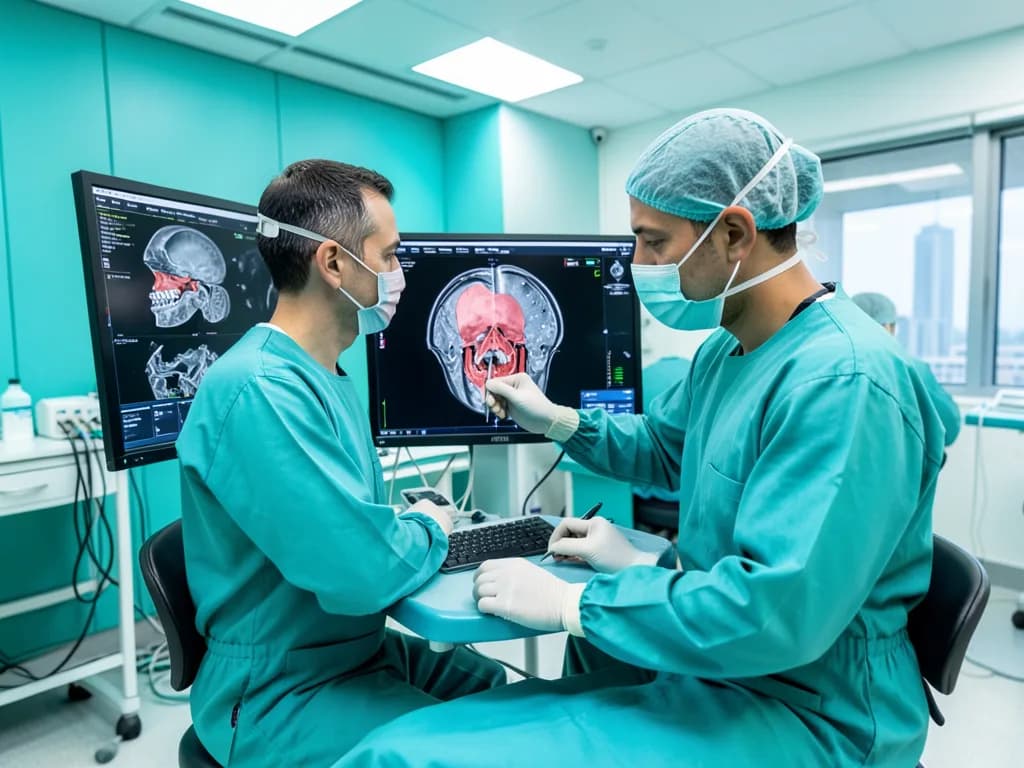
What a Maxillofacial Surgeon Treats in Dubai
Oral and maxillofacial surgery is the most extensive surgical specialty within dentistry. While oral surgeons and maxillofacial surgeons share the same DHA licence, the term "maxillofacial" emphasises the broader scope of the specialty — encompassing not just the teeth and mouth but the entire jaw complex (maxilla and mandible), the face, and the skull base. In Dubai, OMFS specialists practise across private clinics and major hospitals, treating conditions that span the boundary between dentistry and medicine. For routine dental needs, a general dentist can refer you to an OMFS specialist when your case requires surgical intervention.
Jaw surgery (orthognathic)
Surgical repositioning of the upper jaw (maxilla), lower jaw (mandible), or both to correct skeletal malocclusion — overbite, underbite, open bite, or facial asymmetry that cannot be corrected by orthodontics alone.
Facial trauma and fractures
Emergency surgical repair of broken jaw bones (mandible, maxilla, zygoma), orbital floor fractures, nasal fractures, and soft tissue lacerations resulting from road traffic accidents, sports injuries, falls, or assault.
TMJ disorders (surgical management)
Surgical treatment of temporomandibular joint dysfunction when conservative therapies fail — including arthrocentesis, arthroscopy, open joint surgery, disc repositioning, and total joint replacement.
Impacted teeth and complex extractions
Surgical removal of wisdom teeth buried in bone, supernumerary teeth, deeply impacted canines for orthodontic exposure, and extractions complicated by nerve proximity or sinus involvement.
Cleft lip and palate reconstruction
Surgical repair of congenital cleft lip and cleft palate deformities in children and adults — including primary closure, alveolar bone grafting, secondary rhinoplasty, and orthognathic correction for cleft-related jaw discrepancy.
Oral cancer and pathology
Diagnosis and surgical management of oral cancers (squamous cell carcinoma), benign tumours, jaw cysts (odontogenic keratocyst, ameloblastoma), and pre-malignant lesions. Includes biopsy, tumour resection, neck dissection, and reconstructive surgery.
Dental implant surgery
Surgical placement of dental implants including complex cases requiring simultaneous bone grafting, sinus floor elevation, zygomatic implants, or full-arch All-on-4 rehabilitation under sedation or general anaesthesia.
Obstructive sleep apnoea surgery
Maxillomandibular advancement (MMA) surgery to permanently enlarge the upper airway by moving both jaws forward — the most effective surgical treatment for moderate to severe obstructive sleep apnoea when CPAP therapy is not tolerated.
OMFS Fellowship and DHA Requirements
To practise as a maxillofacial surgeon in Dubai, a specialist must hold a DHA licence in Oral and Maxillofacial Surgery. This requires a dental degree plus a minimum 4-year surgical residency. Many OMFS surgeons in Dubai hold dual qualifications — both a dental degree (BDS/DMD) and a medical degree (MBBS/MBBCh) — which enables them to manage the full spectrum of facial pathology. Verify any surgeon's credentials through the DHA Health Professional Verification portal at dha.gov.ae.
Maxillofacial Surgeon vs Oral Surgeon in Dubai
Patients in Dubai often wonder whether they need a "maxillofacial surgeon" or an "oral surgeon." The short answer is that both titles refer to the same DHA-licensed specialty — Oral and Maxillofacial Surgery. However, individual surgeons may emphasise different aspects of the specialty in their practice. The table below compares key practice areas. For more on oral surgery services in Dubai, see our dedicated guide.
| Feature | "Maxillofacial Surgeon" | "Oral Surgeon" | Note |
|---|---|---|---|
| Official DHA licence title | Oral and Maxillofacial Surgery | Oral and Maxillofacial Surgery | Same licence — both titles refer to one specialty |
| Training duration after dental degree | 4–6 year surgical residency | 4–6 year surgical residency | Identical training pathway |
| Medical degree (MBBS/MBBCh) | Common — dual degree pathway | Less common emphasis | Dual degree more common in UK/European/Australian training |
| Wisdom teeth and extractions | Yes — core competency | Yes — core competency | Both fully qualified |
| Dental implant surgery | Yes | Yes | Both perform routine and complex implant cases |
| Orthognathic (jaw) surgery | Primary focus for many | Performed if trained | Look for case volume and hospital privileges |
| Facial trauma reconstruction | Primary scope | Primary scope | Hospital-based OMFS handles trauma call |
| Oral cancer and tumour surgery | Full scope including neck dissection | May refer complex oncology cases | Check surgeon's sub-specialisation |
| Cleft lip and palate surgery | Performed by sub-specialists | Performed by sub-specialists | Requires multidisciplinary team setting |
| TMJ joint surgery | Yes — arthroscopy to joint replacement | Yes — depends on training | Verify specific TMJ surgical experience |
The key takeaway for patients searching for the best maxillofacial surgeon in Dubai is to look beyond the title and focus on the surgeon's specific training, hospital affiliations, and case volume for your particular condition. A surgeon who performs 200 orthognathic cases per year at a JCI-accredited hospital is preferable for jaw surgery, regardless of whether their clinic sign says "oral surgeon" or "maxillofacial surgeon." Patients whose primary concern is teeth alignment rather than jaw repositioning may benefit from seeing an orthodontist in Dubai first, who can determine whether braces or Invisalign alone can achieve the desired result without surgery.
Maxillofacial Surgery Cost in Dubai 2026
Prices vary significantly based on procedure complexity, whether performed in a clinic or hospital, anaesthesia type, and the surgeon's experience. Budget tier reflects community clinics, mid-range reflects established private practices, and premium reflects hospital-based specialists at JCI-accredited facilities. All prices in AED. Always request a written quotation.
| Procedure | Budget | Mid-Range | Premium |
|---|---|---|---|
| Initial consultation | AED 0–200 | AED 200–400 | AED 400–800 |
| Wisdom tooth (surgical, impacted) | AED 700–1,200 | AED 1,200–2,000 | AED 2,000–3,500 |
| Single dental implant placement | AED 4,000–5,500 | AED 5,500–8,000 | AED 8,000–15,000 |
| Bone grafting (minor) | AED 2,000–3,500 | AED 3,500–6,000 | AED 6,000–10,000 |
| Sinus lift (lateral window) | AED 5,000–7,000 | AED 7,000–10,000 | AED 10,000–15,000 |
| Jaw surgery (single jaw) | AED 25,000–32,000 | AED 32,000–45,000 | AED 45,000–60,000 |
| Jaw surgery (bimaxillary) | AED 40,000–55,000 | AED 55,000–70,000 | AED 70,000–95,000 |
| TMJ arthrocentesis | AED 3,000–5,000 | AED 5,000–8,000 | AED 8,000–12,000 |
| TMJ arthroscopy | AED 10,000–15,000 | AED 15,000–25,000 | AED 25,000–40,000 |
| Facial fracture repair | AED 5,000–12,000 | AED 12,000–25,000 | AED 25,000–50,000 |
| Cyst or tumour excision | AED 2,000–5,000 | AED 5,000–12,000 | AED 12,000–30,000 |
| Biopsy (soft tissue) | AED 500–1,000 | AED 1,000–2,000 | AED 2,000–4,000 |
What affects the final cost
- Clinic-based vs hospital-based setting (hospital adds facility and anaesthesia fees)
- Local anaesthetic vs IV sedation vs general anaesthesia
- Surgeon's experience level and sub-specialisation
- Need for additional procedures (bone grafting, sinus lifts, membrane placement)
- Titanium hardware costs (plates, screws, implants)
- Post-operative imaging (CT scans, X-rays)
Tips to Reduce Costs
- •Remove all four wisdom teeth in one session under sedation to save on multiple anaesthesia fees
- •Ask about package pricing for implant + bone graft combinations
- •Compare hospital-attached vs standalone clinic pricing for the same surgeon
- •Check if your insurer covers the medically necessary component of combined procedures
- •Request a line-item breakdown rather than a lump sum quote
- •Compare multiple clinics using our dental provider directory
For implant-specific pricing, see our dental implants Dubai guide or our implant specialist page. For wisdom tooth costs, visit our wisdom tooth removal cost breakdown. Patients considering full-arch rehabilitation should also review our All-on-6 dental implants guide. Browse top-rated dental clinics in the UAE for verified patient reviews and pricing transparency.
The Maxillofacial Surgery Process in Dubai — Step by Step
From initial consultation to long-term follow-up, here is what to expect when you see a maxillofacial surgeon in Dubai. If your procedure involves sedation, read our IV sedation dentistry guide to understand your anaesthesia options.
Referral or self-booking
Before consultationYou may be referred by your general dentist, orthodontist, or physician — or you can book directly with a maxillofacial surgeon if self-paying. Bring any existing X-rays, CT scans, and a referral letter if insurance coverage is needed.
Clinical examination and imaging
First appointmentThe surgeon performs a thorough clinical examination of the face, jaws, teeth, and TMJ. Imaging is ordered as needed — panoramic X-ray (OPG), cone beam CT (CBCT), cephalometric analysis, or full medical CT scan for complex cases.
Diagnosis and treatment planning
Same visit or follow-upThe surgeon explains the diagnosis, discusses treatment options (surgical and non-surgical alternatives), outlines risks, and provides a detailed written cost estimate. For orthognathic surgery, a joint plan is created with your orthodontist using digital simulation.
Pre-surgical preparation
Days to months before surgeryDepending on the procedure, this may include blood tests, medical clearance from your physician, pre-surgical orthodontics (12 to 18 months for jaw surgery), insurance pre-authorisation, and booking the hospital or surgical suite.
Surgery day
20 minutes to 6 hoursOutpatient procedures (wisdom teeth, implants, biopsies) are performed under local anaesthetic or IV sedation in a clinic setting. Major procedures (jaw surgery, fracture repair, tumour resection) are performed under general anaesthesia in a hospital operating theatre.
Immediate post-operative care
Same day or 1 to 3 nightsAfter outpatient surgery, you are discharged the same day with prescriptions for pain relief, antibiotics if needed, and written post-operative instructions. After hospital-based surgery, you stay 1 to 3 nights for monitoring before discharge.
Follow-up and healing
1 week to 12 monthsThe first follow-up is typically 5 to 7 days post-surgery for suture removal and wound check. Subsequent reviews occur at 2 weeks, 1 month, 3 months, and 6 months. For jaw surgery, orthodontic adjustments resume 4 to 6 weeks after surgery.
Long-term monitoring
Annually as neededAnnual reviews for implant maintenance, post-orthognathic bite stability assessment, or surveillance imaging for patients who have had cysts or tumours removed. Your surgeon coordinates with your general dentist for ongoing care.
Who Needs a Maxillofacial Surgeon in Dubai
Not every dental problem requires a maxillofacial surgeon. Many extractions, implants, and minor surgical procedures are safely handled by experienced general dentists or oral surgeons in community clinics. For patients who need dental crowns or root canal treatment, a general dentist or endodontist is the right specialist. However, the following situations specifically warrant referral to a maxillofacial surgeon — particularly one with hospital privileges and access to general anaesthesia.
Patients with jaw misalignment
PlannedIf you have a significant overbite, underbite, open bite, or facial asymmetry that cannot be corrected by braces alone, a maxillofacial surgeon performs the orthognathic surgery needed to reposition the jaw bones.
Facial trauma victims
EmergencyRoad traffic accidents, sports injuries, or falls causing jaw fractures, cheekbone fractures, or orbital floor fractures require emergency maxillofacial surgical repair — often within hours of the injury.
People with impacted wisdom teeth
Semi-urgentWisdom teeth buried in bone, growing sideways, or pressing against the nerve require surgical extraction by an OMFS specialist. This is especially important when multiple teeth are removed under sedation.
TMJ disorder patients unresponsive to conservative treatment
PlannedIf jaw clicking, locking, chronic pain, or limited opening has not improved after 6 to 12 months of splint therapy and physiotherapy, a maxillofacial surgeon can evaluate you for joint surgery.
Patients needing complex dental implants
PlannedWhen implant placement requires simultaneous bone grafting, sinus lifts, or zygomatic anchoring due to severe bone loss, a maxillofacial surgeon's advanced surgical training is essential.
Children or adults with cleft lip and palate
PlannedCongenital cleft deformities require a series of surgeries from infancy through adulthood — primary repair, alveolar bone grafting, and secondary orthognathic surgery — all performed by a maxillofacial surgeon within a multidisciplinary team.
Patients with oral lesions or suspected oral cancer
UrgentAny persistent mouth ulcer, white or red patch, unexplained lump, or swelling lasting more than 3 weeks should be biopsied. A maxillofacial surgeon performs excisional or incisional biopsies and, if cancer is confirmed, carries out tumour resection and reconstruction.
Sleep apnoea patients intolerant of CPAP
PlannedFor moderate to severe obstructive sleep apnoea where CPAP therapy has failed, maxillomandibular advancement surgery performed by an OMFS specialist is the most effective surgical alternative with success rates exceeding 85%.
Dental and facial emergencies in Dubai
If you have a dental or facial emergency — jaw fracture, severe facial swelling, uncontrolled bleeding, or a knocked-out tooth — go directly to the emergency department of Rashid Hospital or Dubai Hospital, both of which have 24-hour maxillofacial surgery units. For urgent dental pain that is not an emergency, see our emergency dentist guide for Dubai. If you are experiencing wisdom tooth pain, it may be managed conservatively or may require surgical extraction — a maxillofacial surgeon can advise. For advanced gum recession involving bone loss, an OMFS specialist may also be consulted for grafting procedures.
Referral by Your Dentist vs Direct Booking
When your dentist refers you
Most patients see a maxillofacial surgeon after referral from their general dentist, orthodontist, or physician. Your dentist in Dubai will typically refer you when they encounter a case beyond the scope of general practice — a deeply impacted wisdom tooth, jaw pathology visible on X-ray, or a bite discrepancy requiring surgical correction.
- Referral letter documents clinical necessity for insurance
- Existing imaging and records are forwarded to the surgeon
- Insurance pre-authorisation is easier to obtain with referral
- Continuity of care between your dentist and surgeon
When you book directly
If you are self-paying (no insurance claim), you can book directly with any maxillofacial surgeon in Dubai without a referral. This is common for patients seeking second opinions, those interested in specific procedures like jaw surgery, or expatriates transferring care from abroad.
- No referral needed for self-paying consultations
- Bring recent X-rays (OPG, CBCT) to avoid repeat imaging
- Some insurers still require GP or dentist referral letter
- Consultation fee may apply (AED 200 to AED 800)
Insurance Coverage for Maxillofacial Surgery in Dubai
Insurance coverage for maxillofacial surgery in the UAE depends primarily on whether the procedure is classified as medically necessary (surgical) or elective (cosmetic). Understanding this distinction before your consultation can save you significant unexpected costs. For full details on dental insurance in Dubai, visit our dental insurance guide.
Typically covered (surgical and medical necessity)
- Jaw fracture repair from trauma (road accident, fall, assault)
- Surgical drainage of odontogenic infections and abscesses
- Excision and biopsy of suspicious oral or facial lesions
- Medically necessary impacted wisdom tooth removal
- Treatment of jaw cysts (odontogenic keratocyst, dentigerous cyst)
- Cleft palate surgery in paediatric patients
- Emergency maxillofacial trauma stabilisation
Typically not covered (elective and cosmetic)
- Orthognathic jaw surgery for aesthetic jaw alignment
- Dental implant placement and associated bone grafting
- Genioplasty (chin advancement or reduction) for cosmetic reasons
- Sinus lifts and ridge augmentation for implant preparation
- TMJ surgery when classified as chronic rather than acute
- IV sedation and general anaesthesia for elective procedures
- Sleep apnoea surgery (may be covered under medical, not dental)
The grey area — functional orthognathic surgery
Orthognathic jaw surgery occupies a grey area in UAE insurance. When performed purely for aesthetic reasons — such as those seeking a smile makeover — it is excluded. However, when jaw surgery is documented as functionally necessary — to correct a malocclusion causing difficulty eating, breathing, or speaking — it may be covered on a case-by-case basis. Your maxillofacial surgeon can write a letter of medical necessity supported by cephalometric analysis, sleep studies, or functional assessments. Some enhanced plans with Dubai insurers like Daman, AXA, and Cigna have approved orthognathic surgery when the medical justification is strong. Always apply for pre-authorisation before beginning any pre-surgical orthodontic treatment.
Hospitals With Maxillofacial Surgery in Dubai
Major procedures — jaw surgery, facial trauma repair, tumour resection, and cleft surgery — require hospital operating theatres with general anaesthesia and post-operative monitoring. The following hospitals in Dubai have OMFS departments or affiliated maxillofacial surgeons with operating privileges.
Rashid Hospital (DHA)
Government trauma centre with 24-hour maxillofacial surgery. Primary referral for facial fractures and emergencies. DHA-insured patients accepted.
Dubai Hospital (DHA)
Government hospital with OMFS department offering scheduled jaw surgery, cyst removal, and complex extractions. DHA-insured and self-pay.
Mediclinic City Hospital
JCI-accredited private hospital in Healthcare City. OMFS surgeons perform orthognathic surgery, implant surgery, and reconstructive procedures.
American Hospital Dubai
Premium JCI-accredited facility in Oud Metha. Comprehensive OMFS services including oncology, trauma, and sleep apnoea surgery.
Saudi German Hospital
Multi-branch private hospital network. OMFS services available across Dubai branches for surgical extractions, implants, and jaw procedures.
NMC Royal Hospital
Private hospital with OMFS surgeons offering outpatient and inpatient maxillofacial procedures. Multiple locations across the emirates.
For outpatient maxillofacial procedures (wisdom teeth, implants, biopsies), many surgeons operate from private dental clinics equipped with IV sedation facilities. You can browse dental clinics across Dubai to find practices with on-site OMFS specialists. For All-on-4 implant surgery, hospital-based surgeons are recommended when significant bone grafting is required.
TMJ Surgery With a Maxillofacial Surgeon in Dubai
Temporomandibular joint (TMJ) disorders affect the jaw joint and surrounding muscles, causing pain, clicking, locking, and difficulty opening the mouth. A thorough dental checkup can help identify early TMJ symptoms. While the majority of TMJ cases respond to conservative management — bite splints, physiotherapy, and anti-inflammatory medication — a subset of patients require surgical intervention by a maxillofacial surgeon.
Before recommending surgery, a maxillofacial surgeon in Dubai will typically require evidence that conservative treatment has been pursued for at least 6 to 12 months without adequate improvement. MRI imaging of the TMJ is essential to evaluate disc position, joint effusion, and degenerative changes. For comprehensive information on non-surgical and surgical TMJ management, visit our TMJ treatment guide for Dubai.
TMJ surgical options and costs in Dubai
Related Specialist and Treatment Guides
Advanced Technology in Dubai Maxillofacial Surgery
Dubai maxillofacial surgery centres at JCI-accredited hospitals now use digital surgical workflows that match European and North American centres of excellence. This technology directly improves precision, reduces operating time, and shortens recovery.
CBCT 3D Facial Imaging
Cone Beam CT provides a three-dimensional map of the entire craniofacial skeleton — bones, teeth, nerves, and sinuses — in a single low-radiation scan. This is the foundation of surgical planning for orthognathic surgery, trauma repair, implant placement, and pathology assessment. Available at all major Dubai hospital OMFS departments and select specialist clinics.
Virtual Surgical Planning (VSP)
Software systems such as SurgiCase CMF and IPS CaseDesigner allow surgeons to simulate orthognathic surgery in three dimensions before the patient enters the operating theatre. The surgeon performs Le Fort osteotomies and BSSO movements virtually, optimising facial aesthetics and occlusion simultaneously. The resulting plan generates custom cutting guides and titanium fixation plates.
3D-Printed Surgical Guides and Implants
Surgical cutting guides, positioning jigs, and custom-designed titanium reconstruction plates are 3D printed to match the individual patient's anatomy. Custom plates are used for complex facial fractures, jaw reconstruction after tumour resection, and cranioplasty. They reduce intraoperative decision-making and improve symmetry outcomes significantly.
Piezoelectric Surgery (Piezosurgery)
Ultrasonic piezoelectric devices cut bone selectively without damaging soft tissue, nerves, or blood vessels. This technology reduces bleeding, nerve injury risk, and post-operative swelling in procedures such as sinus lifts, bone grafting, wisdom tooth removal, and orthognathic surgery. The result is faster healing and reduced post-operative pain — a significant advantage in Dubai's active professional population.
Intraoperative Navigation Systems
Electromagnetic or optical navigation systems track surgical instrument positions in real time against the pre-operative CT scan, providing GPS-like guidance during complex tumour resection, skull base surgery, and orbital reconstruction. Navigation reduces the risk of inadvertent damage to the optic nerve, carotid artery, and skull base — critical for complex cases performed at Dubai's major hospitals.
3D Surgical Planning for Le Fort and BSSO
Le Fort I osteotomies (upper jaw repositioning) and Bilateral Sagittal Split Osteotomies (BSSO, lower jaw repositioning) for orthognathic surgery are now planned entirely digitally. The surgeon can simulate multiple movement scenarios and show the patient their predicted facial profile before committing to surgery. Titanium fixation hardware is customised to the exact movement required.
Recovery and Aftercare After Maxillofacial Surgery
Recovery varies substantially by procedure. A dental implant placement under local anaesthetic has a very different recovery trajectory than jaw surgery under general anaesthetic. Here are the key aftercare requirements for the most common maxillofacial procedures in Dubai.
Orthognathic Surgery (Jaw Surgery)
Hospital Stay
2 to 3 nights in hospital
Swelling Timeline
Significant swelling for 2 to 3 weeks, residual swelling for 3 months
Diet Restrictions
Liquid diet for 6 to 8 weeks, soft food to 3 months
Activity Restrictions
Off work for 2 to 3 weeks, avoid contact sports for 3 months
Facial Trauma Repair (Fracture Fixation)
Hospital Stay
1 to 3 nights depending on complexity
Swelling Timeline
Severe swelling and bruising for 2 to 4 weeks
Diet Restrictions
Liquid to soft diet for 4 to 6 weeks if jaw was fractured
Activity Restrictions
Off work for 1 to 2 weeks, avoid driving if in opioid pain management
Wisdom Tooth Removal (Surgical)
Hospital Stay
Day case — no hospital stay
Swelling Timeline
Moderate swelling peaking at 48 to 72 hours, resolving over 7 to 10 days
Diet Restrictions
Soft diet for 5 to 7 days — yoghurt, hummus, rice, pasta, eggs
Activity Restrictions
Off work 2 to 5 days, avoid gym and strenuous activity for 1 week
Oral Pathology (Cyst or Tumour Removal)
Hospital Stay
Day case to 1 night depending on size and location
Swelling Timeline
Variable — facial swelling for 1 to 2 weeks for jaw cyst removal
Diet Restrictions
Soft diet for 2 to 4 weeks
Activity Restrictions
Off work 1 to 2 weeks, resume normal activities when comfortable
Insurance Coverage for Maxillofacial Surgery in Dubai
Maxillofacial surgery coverage in Dubai insurance plans is complex because OMFS sits at the intersection of dental and medical insurance. Understanding which plan covers which procedure prevents unexpected bills of AED 10,000 to AED 150,000.
| Procedure | Dental Plan | Medical Plan | Notes |
|---|---|---|---|
| Surgical wisdom tooth removal | Usually covered | May cover if hospital GA used | In-clinic removal: dental plan. Hospital GA: medical plan for anaesthesia, dental for surgery |
| Dental implant surgery | Usually excluded from basic plans | Not covered | Enhanced dental plans with 'implant benefit' may cover AED 3,000–8,000 per implant. Check policy schedule |
| Bone grafting | Sometimes covered as part of implant benefit | Not covered | Coverage depends on whether graft is medically necessary or cosmetic. Pre-authorisation required |
| Orthognathic jaw surgery | Usually excluded | Covered if medically necessary (breathing, eating, severe pain) | Functional indications (sleep apnoea, inability to eat normally) improve coverage. Pre-authorisation essential |
| Facial trauma repair | Not covered | Covered — emergency/urgent surgery | Emergency trauma surgery is fully covered under inpatient medical benefits at DHA hospitals |
| TMJ arthroscopy/surgery | Usually excluded | Covered if conservative treatment failed and surgery is medically indicated | Must document 6–12 months of failed conservative treatment to satisfy medical necessity criteria |
| Cyst or tumour removal | May cover biopsy | Covered as pathology/surgery | Oral cancer surgery fully covered under medical oncology benefits. Benign cyst removal coverage varies |
| Sleep apnoea jaw surgery (MMA) | Not covered | Covered by some plans with prior CPAP failure documentation | Requires sleep study, CPAP trial documentation, and ENT/OMFS recommendation for pre-authorisation |
Key principle: Procedures with a clear medical necessity (trauma, pathology, functional impairment from jaw deformity, sleep apnoea) are significantly more likely to receive medical insurance coverage than elective procedures (cosmetic jaw reshaping, implants for aesthetic reasons).
Always obtain pre-authorisation letters before elective maxillofacial surgery and request your surgeon to document medical necessity in the pre-authorisation submission. For more, see our dental insurance Dubai guide.
Frequently Asked Questions About Maxillofacial Surgeons in Dubai
What is the difference between an oral surgeon and a maxillofacial surgeon in Dubai?
In Dubai and internationally, oral surgery and maxillofacial surgery are the same specialty. The full title is Oral and Maxillofacial Surgery (OMFS). Some practitioners use the shorter title 'oral surgeon' while others emphasise 'maxillofacial surgeon' depending on whether their practice focuses more on dentoalveolar surgery (wisdom teeth, implants) or on craniofacial and jaw procedures (orthognathic surgery, facial trauma, TMJ reconstruction). Both hold the same DHA specialist licence in Oral and Maxillofacial Surgery and have completed identical postgraduate training — typically a 4 to 6 year surgical residency after dental school, often including a medical degree (MBBCh or equivalent). In the UAE, the DHA does not distinguish between the two terms; the licence category is singular. When searching for a specialist in Dubai, look for the DHA licence category 'Oral and Maxillofacial Surgery' regardless of the marketing title the surgeon uses. If your case involves jaw realignment, facial reconstruction, or head and neck pathology, you may want to prioritise a surgeon whose hospital affiliations and published case volume lean towards those procedures.
How much does jaw surgery cost in Dubai in 2026?
Orthognathic (jaw) surgery in Dubai costs between AED 25,000 and AED 80,000 depending on the complexity and whether one jaw (single jaw osteotomy) or both jaws (bimaxillary osteotomy) need surgical repositioning. A single jaw Le Fort I maxillary osteotomy or bilateral sagittal split osteotomy of the mandible typically falls in the AED 25,000 to AED 45,000 range, while combined upper and lower jaw surgery ranges from AED 45,000 to AED 80,000. These costs include the surgeon's fee, hospital admission (usually 1 to 2 nights), general anaesthesia, surgical hardware (titanium plates and screws), and one follow-up visit. They do not include pre-surgical orthodontics, which adds AED 8,000 to AED 20,000 over 12 to 18 months. Always request a comprehensive written estimate from your surgeon that separates hospital fees, anaesthesia charges, and the surgical fee, as hospital-based and clinic-based pricing structures differ significantly across Dubai.
Do I need a referral to see a maxillofacial surgeon in Dubai?
For self-paying patients, no referral is required. You can book a consultation directly with a maxillofacial surgeon at any private clinic or hospital in Dubai. However, if you plan to use your health insurance for the visit or procedure, your insurer will almost certainly require a referral from a general dentist or general practitioner. This referral serves two purposes: it documents the clinical necessity of specialist care and it triggers the insurance pre-authorisation workflow. Without a referral letter and pre-authorisation, your insurance claim is very likely to be rejected even if the procedure itself is covered under your policy. It is advisable to bring a recent panoramic X-ray (OPG) and, if available, a CBCT cone beam CT scan to your first consultation — this saves time and avoids duplication of imaging costs. Many maxillofacial surgeons in Dubai offer free or reduced-fee initial consultations (AED 0 to AED 300) to assess whether surgery is needed.
What qualifications should a maxillofacial surgeon in Dubai have?
A qualified maxillofacial surgeon in Dubai should hold a DHA (Dubai Health Authority) specialist licence in Oral and Maxillofacial Surgery. To obtain this licence, the surgeon must have completed a recognised dental degree (BDS, DMD, or equivalent), followed by a postgraduate specialist training programme in OMFS lasting a minimum of 4 years — commonly a Master of Surgery, Fellowship of the Royal College of Surgeons (FFDRCSI, FDSRCS), or an American board residency. Many maxillofacial surgeons practising in Dubai also hold a medical degree (MBBCh, MBBS) in addition to their dental degree, which is a dual-degree pathway increasingly common in OMFS training programmes in Europe, Australia, and the Middle East. You can verify any surgeon's credentials by searching the DHA Health Professional Verification portal at dha.gov.ae. Look specifically for the specialisation category 'Oral and Maxillofacial Surgery' rather than 'General Dentistry.' Surgeons performing complex procedures like orthognathic surgery or tumour resection should ideally have hospital privileges at a JCI-accredited facility in Dubai.
Is maxillofacial surgery covered by insurance in the UAE?
Coverage depends on whether the procedure is classified as medically necessary or elective and cosmetic. Medically necessary maxillofacial surgery — such as repair of jaw fractures from trauma, treatment of severe infections spreading from dental origin (odontogenic space infections), surgical removal of pathological cysts or tumours, and management of obstructive sleep apnoea through maxillomandibular advancement — is generally covered by comprehensive UAE health insurance plans. Elective or cosmetic maxillofacial procedures — such as orthognathic jaw surgery performed primarily for aesthetic jaw alignment, genioplasty (chin surgery) for cosmetic contouring, and dental implant placement — are typically excluded from standard insurance plans. There is a grey area for orthognathic surgery when it is deemed functionally necessary (for example, to correct a skeletal malocclusion causing difficulty chewing or breathing). In these cases, you can submit a letter of medical necessity from your surgeon together with clinical documentation and orthodontic records to your insurer for case-by-case review. Always obtain pre-authorisation before any procedure to avoid unexpected out-of-pocket costs.
What is recovery like after maxillofacial jaw surgery in Dubai?
Recovery after orthognathic jaw surgery is a multi-phase process spanning 6 to 12 weeks for soft tissue healing and 3 to 6 months for complete bone consolidation. During the first 2 weeks, patients experience significant facial swelling (peaking on days 3 to 5), bruising, difficulty opening the mouth, and a liquid or soft diet. Most patients in Dubai take 2 to 3 weeks off work. The jaw is typically stabilised with titanium plates and screws but is not wired shut in modern surgical techniques — instead, guiding elastics are placed to train the new bite position. You will attend weekly follow-up appointments with your surgeon for the first month, then monthly reviews. Full sensation returns gradually over 3 to 12 months, though some patients experience residual numbness in the lower lip or chin. Dubai's warm climate means extra attention to hydration is critical during recovery — dehydration delays healing. Avoid strenuous exercise, contact sports, and sun exposure for at least 6 weeks. Your orthodontist will continue post-surgical adjustments for 6 to 12 months to finalize the bite.
Can a maxillofacial surgeon treat TMJ disorders in Dubai?
Yes, maxillofacial surgeons are the primary surgical specialists for temporomandibular joint (TMJ) disorders in Dubai. However, surgery is considered a last resort — the vast majority of TMJ cases (over 90%) respond to conservative treatment including splint therapy, physiotherapy, medication, and lifestyle modifications. When conservative treatment fails after 6 to 12 months, a maxillofacial surgeon may recommend surgical intervention. Options range from minimally invasive arthrocentesis (joint lavage under local anaesthetic, AED 3,000 to AED 8,000) to arthroscopic surgery (keyhole surgery of the joint, AED 10,000 to AED 25,000) to open joint surgery for advanced cases (AED 25,000 to AED 60,000). Total joint replacement with a prosthetic TMJ is available at select hospitals in Dubai for severe degenerative joint disease and costs AED 80,000 to AED 150,000. For non-surgical TMJ management, your first step should be to consult a dentist with TMJ expertise — see our comprehensive TMJ treatment guide for Dubai.
Which hospitals in Dubai have maxillofacial surgery departments?
Several major hospitals in Dubai maintain dedicated Oral and Maxillofacial Surgery departments staffed by DHA-licensed OMFS specialists. Rashid Hospital (Dubai Health Authority) operates a 24-hour maxillofacial trauma service and is the primary referral centre for facial fractures and emergency cases. Dubai Hospital also provides OMFS services through its dental department. In the private sector, Mediclinic City Hospital, Mediclinic Parkview Hospital, American Hospital Dubai, Saudi German Hospital, NMC Royal Hospital, and Aster Hospital Al Qusais all have OMFS specialists on staff or on-call. For orthognathic surgery and complex reconstruction, hospital-based surgeons are preferred because they have access to operating theatres with general anaesthesia, intensive care support, and multidisciplinary teams (orthodontists, ENT surgeons, plastic surgeons). Many maxillofacial surgeons also maintain private clinic practices for outpatient procedures like wisdom tooth removal, implant surgery, and biopsies. When choosing a hospital, verify JCI accreditation and ask the surgeon about their case volume for your specific procedure.
Find a Maxillofacial Surgeon in Dubai
Use our dental provider directory to compare clinics, read patient reviews, and find the best maxillofacial surgeon near you.
Browse DHA-licensed oral and maxillofacial surgeons across Dubai. Compare specialist qualifications, hospital affiliations, and get transparent cost estimates for your procedure.
Ready to book? Search our Dubai dental clinic directory and schedule your consultation today.
Other specialist and treatment pages: